Energy-Efficient Home Upgrades Continue Helping Homeowners Reduce Utility Bills
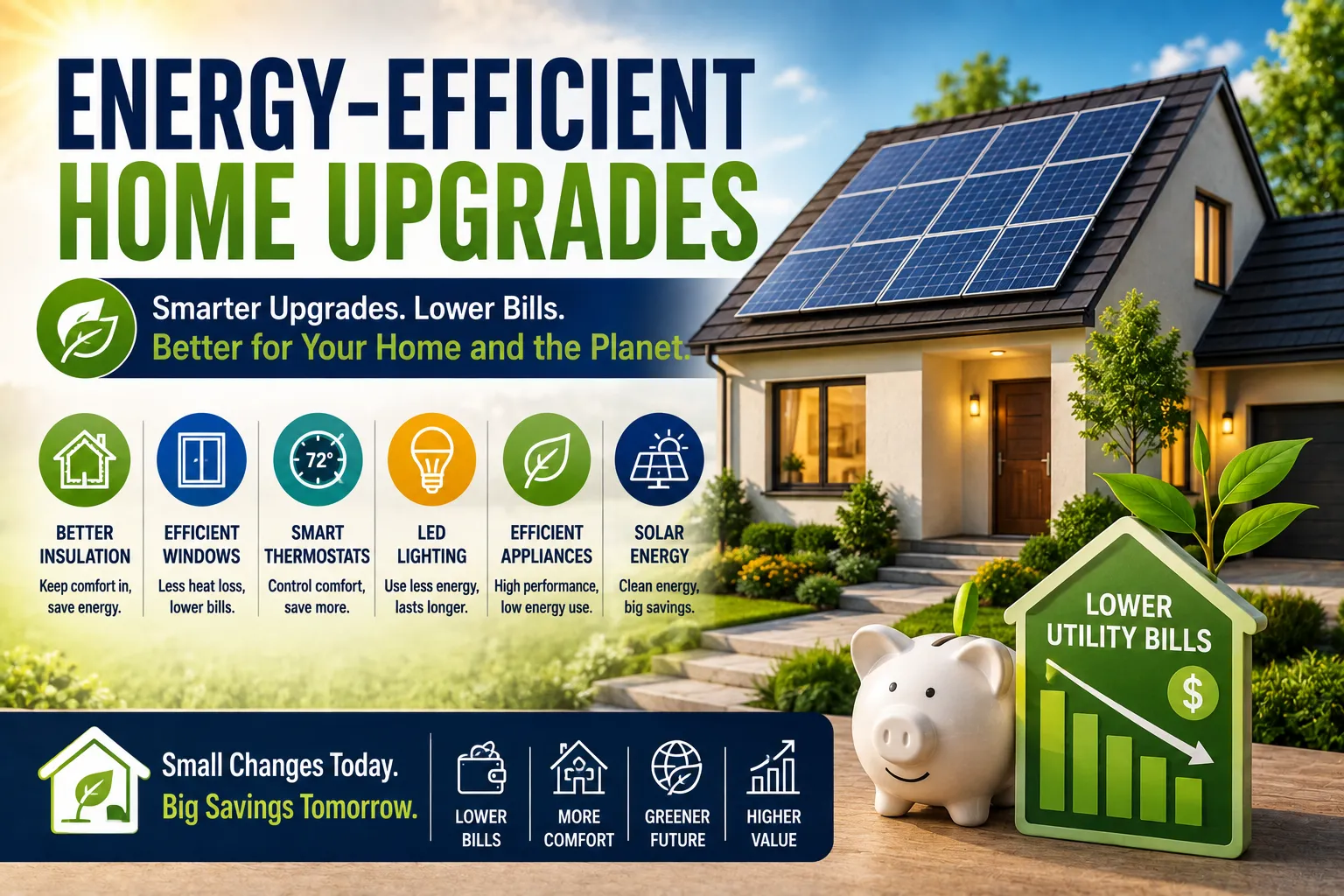
Energy-Efficient Home Upgrades Continue Helping Homeowners Reduce Utility Bills
As energy costs remain a significant household expense in many parts of the world, homeowners are increasingly investing in energy-efficient home improvements that reduce monthly utility bills while improving comfort and long-term property value. From better insulation and high-performance windows to smart thermostats and efficient appliances, these upgrades are helping households use less energy without sacrificing convenience.
Advances in building materials, smart home technology, and energy-efficient appliances have made it easier than ever to improve a home’s performance. While some projects require a larger upfront investment, many upgrades can generate meaningful savings over time while also reducing environmental impact and increasing resale appeal.
This article explores the energy-efficient home upgrades gaining attention, how they reduce energy consumption, and what homeowners should consider before starting home maintenance and improvement projects.
Why Energy Efficiency Matters
Reducing household energy consumption benefits both homeowners and the environment.
Energy-efficient homes can help:
-
Lower electricity bills
-
Reduce heating and cooling costs
-
Improve indoor comfort
-
Increase property value
-
Reduce greenhouse gas emissions
-
Improve indoor air quality
-
Extend equipment lifespan
-
Support sustainable living
Even small improvements can contribute to noticeable long-term savings.
Better Insulation Improves Comfort
Proper insulation is one of the most effective ways to reduce energy waste.
Common areas to insulate include:
-
Attics
-
Exterior walls
-
Floors
-
Basements
-
Crawl spaces
-
Garages
-
Pipes
-
Roof spaces
Good insulation helps keep homes warmer during winter and cooler during summer.
Energy-Efficient Windows
Modern windows are designed to reduce heat transfer while improving natural lighting.
Benefits include:
-
Reduced heat loss
-
Better temperature control
-
Lower HVAC usage
-
Improved comfort
-
Noise reduction
-
UV protection
-
Reduced condensation
-
Increased home value
Double- and triple-pane windows are popular choices for improving efficiency.
Smart Thermostats
Smart thermostats allow homeowners to optimize heating and cooling schedules automatically.
Features often include:
-
Remote control
-
Learning schedules
-
Energy reports
-
Occupancy detection
-
Mobile app integration
-
Automatic temperature adjustments
-
Voice assistant compatibility
-
Maintenance reminders
These systems can reduce unnecessary energy use when homes are unoccupied.
LED Lighting Continues Expanding
LED bulbs have become the standard for energy-efficient lighting.
Advantages include:
-
Lower electricity consumption
-
Longer lifespan
-
Reduced heat output
-
Wide brightness options
-
Instant illumination
-
Lower maintenance
-
Improved efficiency
-
Variety of color temperatures
Replacing older incandescent bulbs is one of the simplest home upgrades available.
High-Efficiency Appliances
Modern appliances often consume significantly less energy than older models.
Common upgrades include:
-
Refrigerators
-
Washing machines
-
Dryers
-
Dishwashers
-
Water heaters
-
Air conditioners
-
Heat pumps
-
Induction cooktops
Choosing efficient appliances may reduce both electricity and water usage.
Heat Pumps Gain Popularity
Heat pump technology continues to expand in residential construction.
Benefits may include:
-
Efficient heating
-
Efficient cooling
-
Lower energy consumption
-
Reduced emissions
-
Quiet operation
-
Year-round comfort
-
Improved temperature control
-
Lower operating costs
Many homeowners view heat pumps as a long-term investment.
Solar Energy Systems
Solar panels remain one of the most recognizable energy-saving upgrades.
Potential benefits include:
-
Reduced grid electricity use
-
Lower utility bills
-
Renewable energy generation
-
Increased home value
-
Lower carbon footprint
-
Long equipment lifespan
-
Energy independence
-
Backup power options when paired with battery storage
Installation costs and financial benefits vary depending on location and local incentives.
Air Sealing Prevents Energy Loss
Small air leaks can significantly increase heating and cooling costs.
Common sealing areas include:
-
Doors
-
Windows
-
Attic openings
-
Electrical outlets
-
Plumbing penetrations
-
Ductwork
-
Baseboards
-
Garage connections
Weatherstripping and caulking are relatively affordable ways to improve efficiency.
Homeowners should also understand that air sealing is only one part of an efficient building envelope. The guide to common home energy efficiency mistakes explains why problems such as uncontrolled air leakage, inadequate insulation, blocked ventilation, and poorly maintained HVAC equipment can undermine otherwise worthwhile efficiency improvements.
Efficient Water Heating
Water heating is a major contributor to household energy use.
Efficiency improvements may include:
-
Heat pump water heaters
-
Tank insulation
-
Low-flow fixtures
-
Pipe insulation
-
Smart water heaters
-
Temperature optimization
-
Routine maintenance
-
Leak repairs
Reducing hot water waste lowers both water and energy bills.
Smart Home Energy Management
Connected home technology gives homeowners greater visibility into energy usage.
Popular smart devices include:
-
Smart plugs
-
Energy monitors
-
Lighting controls
-
Automated blinds
-
Occupancy sensors
-
Smart power strips
-
Connected appliances
-
Home energy dashboards
These tools help identify opportunities to reduce unnecessary consumption.
Routine Home Maintenance
Regular maintenance helps energy-efficient systems perform at their best.
Important maintenance tasks include:
-
Replacing HVAC filters
-
Cleaning vents
-
Servicing heating systems
-
Inspecting insulation
-
Checking weather seals
-
Cleaning solar panels
-
Inspecting ductwork
-
Maintaining appliances
Understanding how major home systems work and what homeowners maintain can also help homeowners recognize which components require routine attention and when professional maintenance may be appropriate.
Preventive maintenance often improves efficiency while extending equipment life.
Financial Considerations
Before beginning upgrades, homeowners should evaluate:
-
Project costs
-
Expected energy savings
-
Return on investment
-
Available rebates
-
Financing options
-
Product warranties
-
Installation quality
-
Long-term maintenance
Some improvements pay for themselves faster than others.
Homeowners can also benefit from learning how to budget for home maintenance before committing to larger efficiency projects. Planning for both routine maintenance and major replacements can make long-term improvements easier to manage financially.
Common Myths About Energy Efficiency
Several misconceptions continue surrounding energy-saving improvements.
Myth: Only Expensive Renovations Save Energy
Simple upgrades such as LED lighting, weatherstripping, and programmable thermostats can also reduce utility costs.
Myth: Energy-Efficient Homes Sacrifice Comfort
Many upgrades improve indoor comfort by maintaining more consistent temperatures.
Myth: Smart Devices Automatically Eliminate High Bills
Technology supports energy savings, but homeowner habits remain important.
Myth: New Homes Do Not Need Efficiency Improvements
Even recently built homes can often benefit from improved insulation, smart controls, or efficient appliances.
Tips for Improving Home Energy Efficiency
Homeowners can reduce energy consumption by:
-
Replacing old light bulbs with LEDs.
-
Sealing air leaks around windows and doors.
-
Scheduling HVAC maintenance.
-
Upgrading insulation where needed.
-
Installing smart thermostats.
-
Choosing energy-efficient appliances.
-
Monitoring household energy use.
-
Adjusting heating and cooling settings responsibly.
-
Maintaining water heating systems.
-
Planning larger upgrades based on long-term savings.
Small improvements made consistently often produce meaningful long-term results.
The Future of Energy-Efficient Homes
Residential energy technology continues advancing rapidly.
Emerging developments include:
-
AI-powered energy management
-
Smarter home automation
-
Advanced battery storage
-
Improved insulation materials
-
High-performance windows
-
Integrated renewable energy systems
-
Predictive maintenance
-
Smart electrical grids
These innovations are expected to help homeowners reduce costs while improving comfort and sustainability.
Building a More Efficient and Affordable Home
Energy-efficient home upgrades continue helping homeowners lower utility bills, improve comfort, and increase long-term property value. Whether through improved insulation, efficient appliances, smart home technology, or renewable energy systems, today’s solutions offer practical ways to reduce household energy consumption without compromising convenience.
While every home has different needs and budgets, thoughtful planning and gradual improvements can produce significant long-term benefits. As energy-saving technologies continue to evolve, investing in efficiency remains one of the most practical strategies for creating a more comfortable, affordable, and environmentally responsible home.