The Ultimate Healthy Cooking Guide
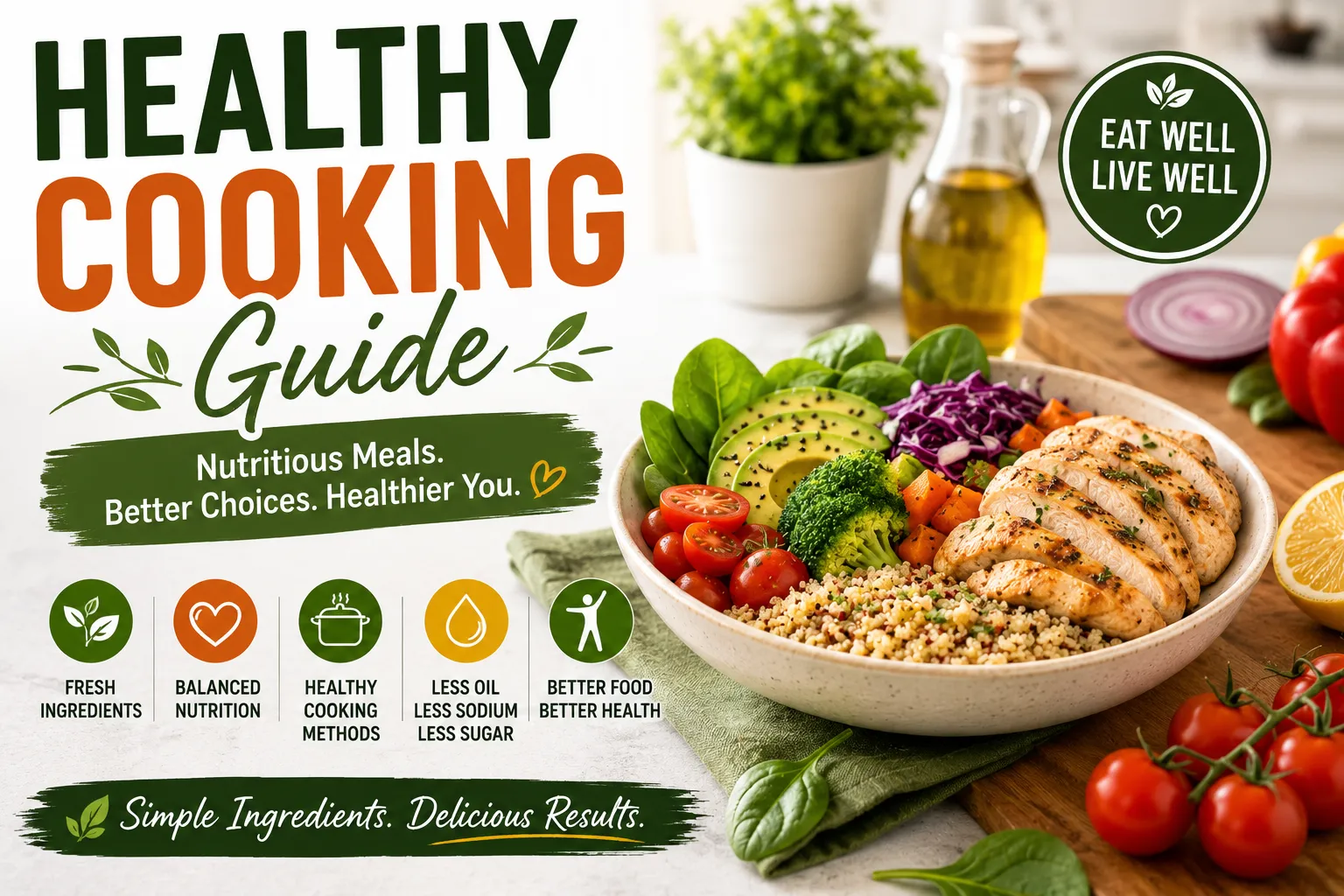
Healthy Cooking Guide
Healthy cooking is about preparing meals that nourish the body while making the most of fresh, wholesome ingredients. Rather than following restrictive diets or eliminating entire food groups, healthy cooking focuses on balance, variety, and mindful food preparation. By choosing nutritious ingredients and using cooking methods that preserve flavor and nutrients, anyone can create meals that are both satisfying and beneficial for long-term health.
As more people cook at home to save money, improve nutrition, and enjoy greater control over their diets, healthy cooking has become an essential life skill. Whether you’re preparing meals for yourself, your family, or entertaining guests, healthy cooking techniques can make everyday meals both delicious and nutritious.
This guide explains the principles of healthy cooking, the best ingredients to use, nutritious cooking methods, kitchen essentials, and practical tips for building lasting healthy eating habits. For a broader introduction to essential kitchen skills and techniques, see the Complete Guide to Cooking for Beginners.
What Is Healthy Cooking?
Healthy cooking involves preparing meals using nutrient-rich ingredients while minimizing excessive amounts of added sugar, sodium, and unhealthy fats.
Healthy meals often include:
- Fresh vegetables
- Fruits
- Whole grains
- Lean proteins
- Healthy fats
- Legumes
- Herbs and spices
- Low-fat dairy or fortified alternatives
The goal is to create balanced meals that support overall health while remaining enjoyable to eat.
Why Healthy Cooking Matters
Preparing meals at home offers numerous health benefits.
Healthy cooking can help:
- Improve nutrition
- Support healthy weight management
- Reduce processed food consumption
- Increase vegetable intake
- Control portion sizes
- Lower grocery expenses
- Improve food quality
- Encourage lifelong healthy habits
Cooking at home also provides greater control over ingredients and preparation methods.
Build a Balanced Plate
A balanced meal typically contains a variety of food groups.
Aim to include:
- Lean protein
- Whole grains
- Colorful vegetables
- Fresh fruit
- Healthy fats
- Dairy or fortified alternatives
Eating a variety of foods helps provide essential nutrients needed for overall well-being.
Choose Fresh Ingredients
Fresh ingredients often provide excellent flavor and nutritional value.
Popular healthy choices include:
- Leafy greens
- Tomatoes
- Bell peppers
- Broccoli
- Carrots
- Berries
- Citrus fruits
- Fresh herbs
Seasonal produce can also improve flavor while helping reduce grocery costs.
For more information about selecting, storing, substituting, and using different foods, see the Cooking Ingredients Guide: Types, Uses, Substitutions & Storage.
Whole Grains Over Refined Grains
Whole grains provide fiber and important nutrients.
Nutritious options include:
- Brown rice
- Oats
- Quinoa
- Whole wheat pasta
- Whole grain bread
- Barley
- Farro
- Bulgur
Replacing refined grains with whole grains may support better overall nutrition.
Lean Protein Choices
Protein helps support muscle maintenance and overall health.
Healthy protein sources include:
- Chicken
- Turkey
- Fish
- Eggs
- Beans
- Lentils
- Tofu
- Greek yogurt
Including protein in meals can also improve satiety.
Healthy Cooking Methods
The way food is prepared affects both flavor and nutritional value.
Healthier cooking techniques include:
- Baking
- Grilling
- Steaming
- Roasting
- Stir-frying
- Poaching
- Air frying
- Slow cooking
These methods often require less added fat while preserving natural flavors.
Different techniques work better for different foods, so understanding the advantages of each method can help you make better choices. The Cooking Methods Explained: The Complete Guide provides a broader look at how common cooking methods work.
Cook with Healthy Fats
Healthy fats are an important part of a balanced diet.
Common options include:
- Olive oil
- Avocados
- Nuts
- Seeds
- Nut butters
- Fatty fish
- Canola oil
- Sesame oil
Using moderate amounts of healthy fats supports both flavor and nutrition.
Reduce Added Sugar
Many packaged foods contain more added sugar than expected.
Helpful strategies include:
- Reading nutrition labels
- Choosing unsweetened products
- Flavoring foods with fruit
- Using spices like cinnamon
- Limiting sugary beverages
- Preparing homemade sauces
- Reducing dessert portions
- Choosing naturally sweet foods
Small changes can reduce overall sugar intake without sacrificing taste.
Limit Excess Sodium
Too much sodium may contribute to certain health concerns.
Reduce sodium by:
- Cooking from scratch
- Using herbs and spices
- Choosing low-sodium products
- Rinsing canned beans
- Limiting processed foods
- Tasting before adding salt
- Preparing homemade soups
- Using citrus for flavor
Fresh ingredients naturally contain less sodium than many processed foods.
Flavor Without Extra Calories
Healthy meals do not have to be bland.
Natural flavor enhancers include:
- Garlic
- Onion
- Lemon juice
- Lime juice
- Fresh herbs
- Black pepper
- Ginger
- Vinegar
These ingredients add depth without relying on excessive salt or sugar.
Learning how different herbs, spices, salt, and other flavoring ingredients work can make healthy meals much more satisfying. The Guide to Seasoning Food With Herbs, Spices, Salt and Other Flavors covers these techniques in greater detail.
Meal Planning Supports Healthy Cooking
Planning meals ahead of time simplifies healthy eating.
A weekly plan may include:
- Breakfast ideas
- Lunches
- Dinners
- Healthy snacks
- Grocery lists
- Batch cooking
- Leftover planning
- Seasonal recipes
Meal planning reduces food waste while making healthier choices more convenient.
Food Safety Matters
Safe food handling is an essential part of healthy cooking.
Important practices include:
- Washing hands before cooking
- Separating raw and cooked foods
- Refrigerating perishables promptly
- Cooking foods thoroughly
- Cleaning kitchen surfaces
- Washing produce
- Using separate cutting boards
- Storing leftovers properly
Food safety helps reduce the risk of foodborne illness.
Kitchen Tools That Make Healthy Cooking Easier
Useful equipment includes:
- Chef’s knife
- Cutting board
- Measuring cups
- Mixing bowls
- Non-stick skillet
- Baking sheet
- Steamer basket
- Food thermometer
Quality tools improve efficiency and make meal preparation more enjoyable.
Accurate measuring is especially useful when following recipes or adjusting portions. Understanding Cooking Measurements and Ingredient Conversions for Home Cooks can help make recipe preparation more consistent.
Common Healthy Cooking Mistakes
Avoid these common habits:
- Skipping vegetables
- Overcooking food
- Using excessive oil
- Depending on processed foods
- Ignoring portion sizes
- Forgetting to season naturally
- Not planning meals
- Wasting leftovers
Simple improvements often lead to healthier, more enjoyable meals.
Common Myths About Healthy Cooking
Several misconceptions discourage people from cooking healthier meals.
Myth: Healthy Food Is Always Expensive
Seasonal produce, beans, whole grains, and frozen vegetables can provide excellent nutrition at affordable prices.
Myth: Healthy Meals Take Too Long to Prepare
Many balanced meals can be prepared in 30 minutes or less with proper planning.
Myth: Healthy Cooking Means Giving Up Favorite Foods
Most recipes can be adapted with healthier ingredients while maintaining excellent flavor.
Myth: Fresh Ingredients Are Always Better Than Frozen
Frozen fruits and vegetables are often picked at peak ripeness and can be just as nutritious as fresh options.
Tips for Healthier Cooking
Improve your cooking habits by:
- Filling half your plate with vegetables.
- Choosing whole grains more often.
- Including lean protein in meals.
- Cooking with healthy oils in moderation.
- Using herbs instead of excess salt.
- Planning meals before grocery shopping.
- Preparing meals at home regularly.
- Drinking water with meals.
- Controlling portion sizes.
- Enjoying a wide variety of nutritious foods.
Healthy eating is built on consistent habits rather than perfection.
The Future of Healthy Cooking
Technology and nutrition science continue shaping modern kitchens.
Emerging trends include:
- Smart kitchen appliances
- AI-assisted meal planning
- Personalized nutrition
- Sustainable ingredients
- Plant-forward cooking
- Precision cooking devices
- Digital recipe platforms
- Reduced food waste solutions
These innovations are making healthy cooking more accessible and convenient for households around the world.
Building Healthy Cooking Habits for the Long Term
Healthy cooking is one of the most effective ways to improve nutrition, support long-term wellness, and enjoy flavorful meals made with wholesome ingredients. By focusing on balanced meals, fresh produce, healthy cooking methods, and thoughtful meal planning, home cooks can prepare food that benefits both their health and their enjoyment of eating.
Whether you’re just learning to cook or refining your kitchen skills, healthy cooking is a lifelong investment that supports better health, greater confidence in the kitchen, and more enjoyable meals shared with family and friends.