The Complete Guide to Organic Gardening
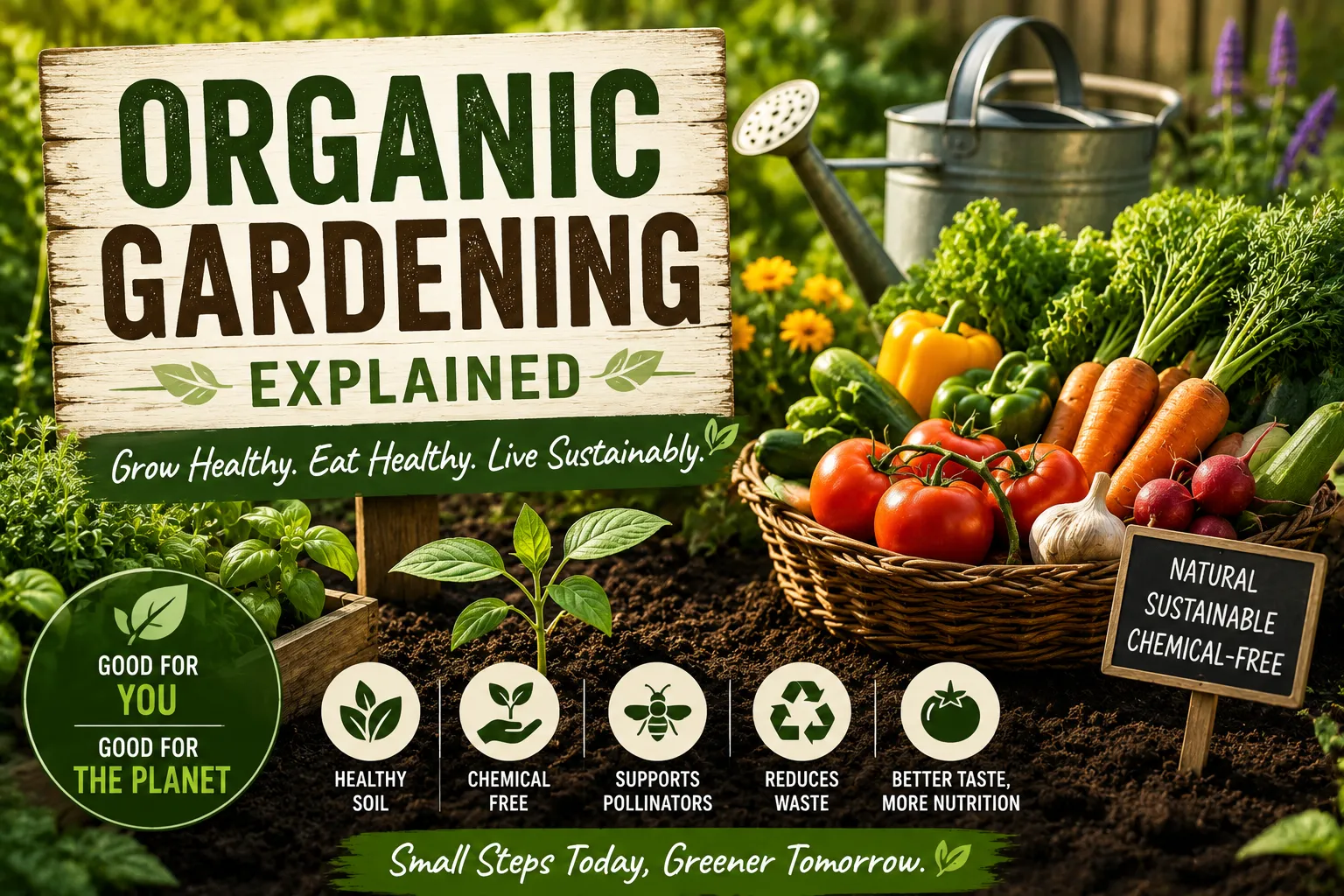
Organic Gardening Explained
Organic gardening has become one of the fastest-growing approaches to home gardening as more people seek healthier food, environmentally friendly practices, and sustainable ways to care for their outdoor spaces. Rather than relying on synthetic fertilizers and pesticides, organic gardening focuses on working with nature by improving soil health, encouraging biodiversity, and using natural methods to grow healthy plants.
Whether cultivating vegetables, herbs, flowers, or fruit trees, organic gardening emphasizes long-term ecosystem health while producing nutritious harvests. Although it may require thoughtful planning and patience, many gardeners find the rewards extend far beyond the garden itself, supporting wildlife, reducing environmental impact, and creating more resilient landscapes.
This guide explains what organic gardening is, its core principles, common techniques, benefits, and practical steps for starting and maintaining a thriving organic garden.
Note: Organic gardening practices may vary depending on local climate, soil conditions, and gardening goals. Always follow local regulations when using composts, natural fertilizers, or pest control products.
What Is Organic Gardening?
Organic gardening is the practice of growing plants using natural methods that promote healthy soil, biodiversity, and ecological balance while avoiding most synthetic fertilizers, pesticides, and herbicides.
Organic gardens may include:
- Vegetable gardens
- Herb gardens
- Fruit trees
- Flower beds
- Raised garden beds
- Container gardens
- Community gardens
- Pollinator gardens
The goal is to create a healthy growing environment that supports plants and beneficial wildlife.
For a broader overview of how different forms of flower and plant cultivation fit together, see the Complete Guide to Flower Gardening.
Why Organic Gardening Matters
Healthy gardens benefit both people and the environment.
Organic gardening can help:
- Improve soil health
- Encourage biodiversity
- Reduce chemical use
- Support pollinators
- Produce fresh food
- Reduce household waste through composting
- Improve water retention
- Promote sustainable gardening
Healthy ecosystems often lead to stronger, more resilient plants over time.
Healthy Soil Is the Foundation
Successful organic gardening begins with healthy soil.
Healthy soil contains:
- Organic matter
- Beneficial microorganisms
- Earthworms
- Nutrients
- Good structure
- Proper drainage
- Moisture retention
- Balanced pH
Improving soil naturally supports stronger root systems and healthier plant growth.
The Ultimate Guide to Soil Health explains how soil structure, organic matter, moisture and nutrients influence the growing environment.
Composting Naturally Enriches Soil
Composting transforms organic waste into nutrient-rich material for gardens.
Common compost ingredients include:
- Fruit scraps
- Vegetable peels
- Coffee grounds
- Tea leaves
- Grass clippings
- Dry leaves
- Small twigs
- Shredded paper
Finished compost improves soil structure while recycling household and garden waste.
For a more detailed look at creating and using compost, see How to Make Compost and Use It Effectively in a Garden.
Choosing the Right Plants
Selecting plants suited to local growing conditions improves long-term success.
Consider:
- Climate
- Sunlight
- Soil type
- Water needs
- Available space
- Growing season
- Native species
- Disease resistance
Plants adapted to local conditions often require less maintenance.
Natural Fertilizers
Organic gardeners nourish plants using naturally derived nutrients.
Popular options include:
- Compost
- Well-rotted manure
- Worm castings
- Bone meal
- Fish emulsion
- Seaweed extracts
- Compost tea
- Organic commercial fertilizers
Always apply fertilizers according to product instructions and plant needs.
The Complete Guide to Garden Fertilizers and Plant Nutrition provides additional information about choosing and applying nutrients appropriately.
Watering Efficiently
Proper watering supports healthy plant development while conserving resources.
Helpful watering practices include:
- Watering early in the morning
- Deep watering
- Mulching soil
- Using drip irrigation
- Collecting rainwater where permitted
- Monitoring soil moisture
- Avoiding overwatering
- Reducing water runoff
Consistent watering encourages deeper, healthier root systems.
For more detailed guidance on moisture management, see the Complete Guide to Watering Garden Plants Correctly.
Mulching Benefits
Mulch provides several important advantages in organic gardens.
It helps:
- Retain soil moisture
- Suppress weeds
- Regulate soil temperature
- Reduce erosion
- Add organic matter
- Improve soil quality
- Protect plant roots
- Reduce maintenance
Organic mulches gradually break down and enrich the soil.
Natural Pest Management
Organic gardening emphasizes prevention and balanced ecosystems rather than relying solely on chemical controls.
Common strategies include:
- Encouraging beneficial insects
- Hand-picking pests
- Crop rotation
- Companion planting
- Physical barriers
- Healthy soil management
- Proper plant spacing
- Regular garden monitoring
Early detection often prevents minor pest problems from becoming larger infestations.
The Complete Guide to Garden Pest Control covers additional strategies for preventing and managing garden pest problems.
Supporting Pollinators
Many flowering plants depend on pollinators for successful reproduction.
Pollinator-friendly gardens often include:
- Native flowers
- Wildflowers
- Flowering herbs
- Diverse plant species
- Continuous seasonal blooms
- Shallow water sources
- Reduced pesticide use
- Habitat for beneficial insects
Supporting pollinators also benefits local ecosystems.
Crop Rotation
Growing the same crops repeatedly in one location can increase certain pest and soil nutrient challenges.
Crop rotation may help:
- Reduce pest buildup
- Improve soil fertility
- Support healthier plants
- Increase biodiversity
- Reduce disease pressure
- Improve long-term productivity
Rotating plant families each season is a common organic gardening practice.
Weed Management
Organic weed control focuses on prevention and manual techniques.
Common approaches include:
- Mulching
- Hand weeding
- Hoeing
- Dense planting
- Ground covers
- Landscape fabric where appropriate
- Timely maintenance
- Healthy soil management
Regular attention usually makes weed control easier.
Gardening Through the Seasons
Every season brings different gardening tasks.
Typical activities include:
- Spring planting
- Summer watering
- Autumn composting
- Winter planning
- Soil preparation
- Pruning
- Seed starting
- Harvesting
Seasonal planning helps maintain a productive garden year-round.
Common Myths About Organic Gardening
Several misconceptions continue surrounding organic gardening.
Myth: Organic Gardens Are Completely Pest-Free
Organic gardens may still experience pests, but they often rely on prevention and natural management techniques.
Myth: Organic Gardening Is Always More Expensive
Many organic methods, such as composting and seed saving, can reduce long-term gardening costs.
Myth: Natural Means No Maintenance
Organic gardens still require regular watering, pruning, weeding, and observation.
Myth: Organic Gardening Produces Smaller Harvests
Healthy soil, proper planning, and good gardening practices can support productive harvests.
Tips for Starting an Organic Garden
Build a successful organic garden by:
- Improving soil before planting.
- Choosing plants suited to your climate.
- Using compost regularly.
- Watering consistently.
- Applying mulch around plants.
- Encouraging beneficial insects.
- Rotating crops each season.
- Monitoring plants frequently.
- Avoiding unnecessary chemical treatments.
- Being patient as your garden ecosystem develops.
Small improvements each season contribute to healthier gardens over time.
The Future of Organic Gardening
Sustainable gardening continues evolving alongside advances in environmental science.
Emerging trends include:
- Regenerative gardening
- Smart irrigation systems
- Organic seed development
- Pollinator conservation
- Water-efficient landscapes
- Composting innovations
- Climate-resilient gardening
- AI-assisted garden monitoring
These developments aim to make home gardening more productive while supporting environmental sustainability.
Building a Healthier Garden Ecosystem
Organic gardening offers a practical and environmentally responsible way to grow healthy plants while working in harmony with nature. By focusing on soil health, biodiversity, natural pest management, and sustainable growing practices, gardeners can create productive outdoor spaces that benefit both their households and the surrounding environment.
Whether tending a small balcony garden or cultivating a large backyard vegetable patch, organic gardening encourages long-term thinking and responsible stewardship of natural resources. With patience, consistent care, and a willingness to learn, anyone can build a thriving organic garden that provides beauty, fresh harvests, and lasting environmental benefits.