The Ultimate Guide to Lawn Care
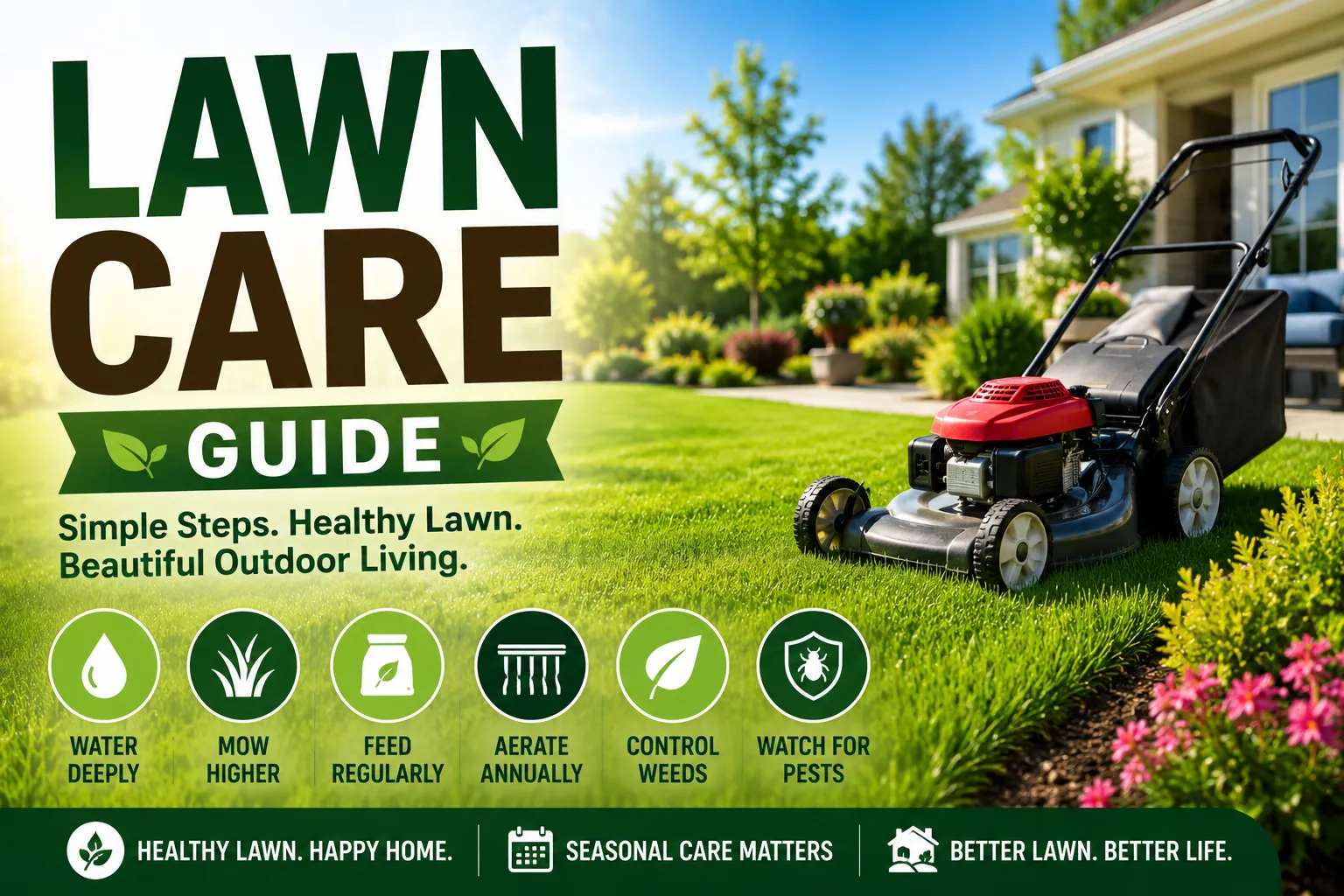
The Ultimate Guide to Lawn Care
A healthy, green lawn enhances curb appeal, creates a welcoming outdoor space, and provides an ideal setting for recreation and relaxation. Whether you have a small urban yard or a large suburban landscape, proper lawn care involves more than simply mowing the grass. Healthy turf depends on a combination of watering, fertilization, soil care, seasonal maintenance, and effective weed and pest management.
Modern lawn care also emphasizes sustainability, encouraging homeowners to conserve water, improve soil health, and reduce unnecessary chemical use. By following consistent maintenance practices throughout the year, it’s possible to maintain a vibrant lawn while supporting a healthier outdoor environment.
This guide explains the fundamentals of lawn care, common lawn problems, seasonal maintenance tips, and best practices for growing strong, resilient grass.
For a broader look at how lawns fit into a healthy, attractive garden, explore the Complete Guide to Flower Gardening.
Why Lawn Care Matters
A well-maintained lawn offers more than aesthetic appeal.
Healthy lawns can provide:
- Improved curb appeal
- Reduced soil erosion
- Better rainwater absorption
- Cooler outdoor temperatures
- Increased outdoor living enjoyment
- Natural filtration of dust and pollutants
- Habitat for beneficial insects
- Enhanced property value
Proper lawn maintenance also contributes to a healthier overall landscape.
Understanding Your Lawn
Different grass species thrive under different growing conditions.
Factors that influence lawn health include:
- Climate
- Soil type
- Sunlight exposure
- Rainfall
- Foot traffic
- Drainage
- Local weather patterns
Choosing grass varieties suited to your region helps improve long-term success.
Soil Health Comes First
Healthy grass begins with healthy soil.
Good soil provides:
- Nutrients
- Water retention
- Proper drainage
- Root support
- Air circulation
Improving soil quality often produces better results than focusing only on the grass itself.
For a deeper understanding of soil structure, organic matter, drainage, and fertility, see the Ultimate Guide to Soil Health.
Watering the Right Way
Water is essential for lawn growth, but proper timing and quantity matter.
General watering recommendations include:
- Water deeply rather than frequently.
- Water during the early morning when possible.
- Avoid excessive watering.
- Adjust watering based on rainfall.
- Reduce runoff by allowing water to soak into the soil.
Deep watering encourages stronger root development and improves drought tolerance.
The Complete Guide to Watering Garden Plants Correctly provides additional guidance on developing effective watering habits.
Mowing Best Practices
Regular mowing helps maintain lawn appearance and supports healthy growth.
Helpful mowing habits include:
- Keep mower blades sharp.
- Avoid cutting too much grass at once.
- Leave grass clippings when appropriate.
- Mow when the grass is dry.
- Adjust mowing height according to the season and grass type.
Proper mowing reduces stress on the lawn and encourages thicker growth.
Fertilizing Your Lawn
Grass requires nutrients to remain healthy and vigorous.
Common nutrients include:
- Nitrogen
- Phosphorus
- Potassium
The appropriate fertilizer and application schedule depend on soil conditions, grass species, and local recommendations.
Applying more fertilizer than necessary does not necessarily improve results and may negatively affect the environment.
For more information about plant nutrients, fertilizer types, and responsible application, see the Complete Guide to Garden Fertilizers and Plant Nutrition.
Weed Management
Weeds compete with grass for sunlight, water, and nutrients.
Common lawn weeds include:
- Dandelions
- Clover
- Crabgrass
- Plantain
- Chickweed
Preventive lawn care—including proper mowing, watering, and fertilization—often helps reduce weed growth naturally.
Aeration
Over time, soil can become compacted, limiting the movement of air, water, and nutrients.
Aeration helps by:
- Reducing soil compaction
- Improving root growth
- Enhancing water penetration
- Supporting healthier turf
Lawns with heavy foot traffic often benefit from periodic aeration.
Overseeding
Overseeding involves spreading new grass seed over an existing lawn.
Benefits include:
- Thicker turf
- Improved appearance
- Filling bare patches
- Better resistance to weeds
- Enhanced disease tolerance
Choosing seed that matches existing grass helps create a more uniform lawn.
Lawn Pest Management
Various insects may affect lawn health.
Examples include:
- Grubs
- Chinch bugs
- Armyworms
- Sod webworms
Regular inspection allows homeowners to identify problems early before significant damage occurs.
Integrated pest management approaches often combine monitoring, cultural practices, and targeted treatments when necessary.
For broader strategies covering identification, prevention, and control of garden pests, see The Complete Guide to Garden Pest Control.
Lawn Diseases
Grass can also be affected by fungal diseases and other conditions.
Common issues include:
- Brown patch
- Dollar spot
- Rust
- Snow mold
- Leaf spot
Proper watering, mowing, and airflow help reduce the risk of many lawn diseases.
Seasonal Lawn Care
Spring
Spring is an ideal time to:
- Inspect winter damage
- Remove debris
- Begin mowing
- Fertilize when appropriate
- Control early weeds
Summer
Summer care focuses on:
- Proper watering
- Mowing at appropriate heights
- Monitoring drought stress
- Managing pests
Autumn
Fall is often one of the best seasons for:
- Aeration
- Overseeding
- Fertilization
- Leaf removal
- Root development
Winter
During winter:
- Minimize heavy foot traffic on frozen grass.
- Keep the lawn free of excessive debris.
- Prepare equipment for the next growing season.
Seasonal maintenance supports year-round lawn health.
Sustainable Lawn Care
Many homeowners are adopting environmentally friendly lawn practices.
Examples include:
- Composting grass clippings
- Using drought-tolerant grass varieties
- Conserving water
- Reducing unnecessary chemical use
- Planting native species nearby
- Improving soil naturally
- Encouraging pollinators around the landscape
Sustainable practices help balance lawn beauty with environmental responsibility.
Lawn Care Equipment
Basic lawn maintenance tools include:
- Lawn mower
- String trimmer
- Garden hose
- Sprinkler
- Rake
- Aerator
- Fertilizer spreader
- Leaf blower
- Hand tools
- Soil testing kit
Maintaining equipment properly helps improve performance and extend its lifespan.
Common Lawn Care Mistakes
Avoid these common errors:
- Watering too frequently
- Cutting grass too short
- Using dull mower blades
- Applying excessive fertilizer
- Ignoring soil health
- Neglecting seasonal maintenance
- Waiting too long to address weeds or pests
Small adjustments can often produce noticeable improvements.
Smart Lawn Technology
Technology is making lawn care easier and more efficient.
Popular innovations include:
- Robotic lawn mowers
- Smart irrigation systems
- Weather-based watering controllers
- Soil moisture sensors
- Lawn care mobile apps
- GPS-enabled equipment
These tools help homeowners optimize maintenance while conserving water and reducing effort.
Tips for a Healthy Lawn
For long-term success:
- Water deeply and consistently.
- Mow regularly with sharp blades.
- Improve soil health.
- Fertilize responsibly.
- Control weeds early.
- Aerate compacted soil.
- Overseed thin areas.
- Monitor for pests and diseases.
- Adjust care throughout the seasons.
- Practice environmentally responsible lawn maintenance.
Consistency is the key to maintaining a lush, healthy lawn.
Build a Healthier Lawn From the Ground Up
A healthy lawn is the result of regular care, thoughtful planning, and attention to changing seasonal conditions. By focusing on proper watering, mowing, soil health, fertilization, and sustainable maintenance practices, homeowners can create an attractive outdoor space that remains resilient throughout the year.
While every lawn has unique needs based on climate, soil, and grass type, consistent care and early attention to potential problems provide the best foundation for long-term success. Whether you’re maintaining a small backyard or an expansive landscape, smart lawn care practices can help keep your outdoor living space healthy, beautiful, and enjoyable for years to come.