How to Make Fluffy Scrambled Eggs
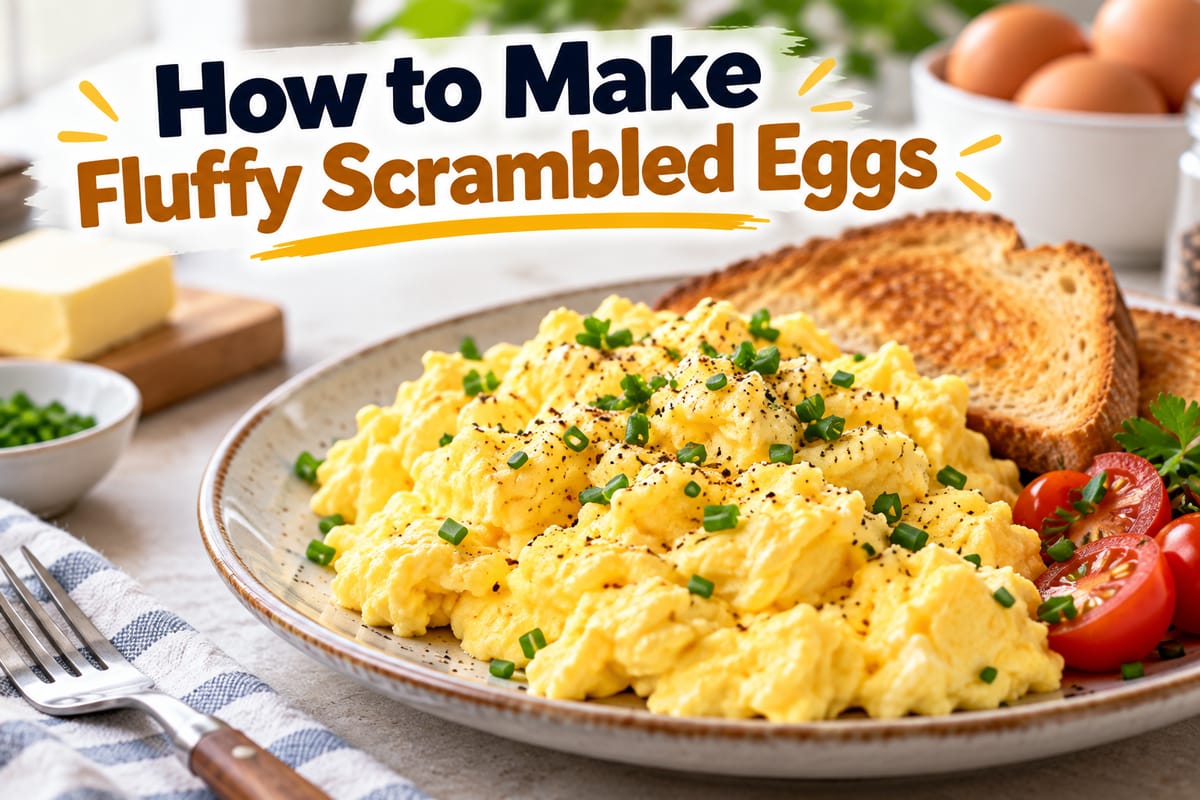
How to Make Fluffy Scrambled Eggs
Fluffy scrambled eggs are one of the simplest breakfast dishes to make, yet getting the texture right can take a little practice. Eggs can quickly change from soft and creamy to dry, firm, and rubbery when exposed to too much heat or cooked for too long.
The good news is that excellent scrambled eggs do not require complicated equipment or an elaborate recipe. The most important factors are fresh eggs, thorough but gentle mixing, appropriate heat, enough room in the pan, and removing the eggs from the heat at the right moment.
Whether you prefer soft and creamy curds or lighter, more fully set scrambled eggs, understanding how heat and movement affect eggs can help you produce better results consistently.
What Makes Scrambled Eggs Fluffy?
Fluffy scrambled eggs have a light, soft texture with clearly formed curds. They should be cooked enough to set the egg proteins while retaining some moisture.
Several factors influence the final texture:
- How thoroughly the eggs are beaten
- Whether liquid is added
- Pan size
- Cooking temperature
- Amount of fat used
- How frequently the eggs are stirred
- Size of the curds
- When the eggs are removed from the heat
The goal is to cook the eggs gradually enough to control their texture without allowing them to become dry.
Choosing the Right Eggs
Egg quality can influence flavor and texture, although technique usually makes the biggest difference in scrambled eggs.
Use eggs that have been stored properly and are within their recommended freshness period.
Eggs can be:
- Small
- Medium
- Large
- Extra-large
Recipes often assume large eggs, so changing the egg size can alter the amount of mixture in the pan.
For consistent results, using eggs of similar size is helpful.
How Many Eggs Should You Use?
The number of eggs depends on how many people you are serving and the size of your pan.
For one serving, two or three eggs are often enough.
Using too many eggs in a small pan can make the mixture deep and difficult to cook evenly.
A crowded pan can also cause the outside of the eggs to cook much faster than the center.
If you are preparing scrambled eggs for several people, cooking in batches can provide better control.
Should You Add Milk to Scrambled Eggs?
Milk is optional.
Some cooks add a small amount of milk because they like the softer texture and slightly richer mouthfeel it can provide.
Others prefer to cook the eggs without milk because they want the flavor and texture of the eggs themselves to remain more prominent.
Other dairy products, such as cream or sour cream, can also be used in some recipes.
The important point is that adding liquid is not required to make scrambled eggs fluffy.
What About Water?
A small amount of water can create additional steam as the eggs cook.
Some cooks use this technique to produce lighter curds.
However, the quantity should remain modest. Too much liquid can make the eggs watery or require longer cooking.
Fluffiness comes primarily from controlling the cooking process rather than adding a large amount of liquid.
Why Beating the Eggs Matters
Whisking eggs incorporates air and breaks up the yolks and whites so they cook more evenly.
Crack the eggs into a bowl and beat them until the mixture is reasonably uniform.
You do not need to whisk aggressively for several minutes.
A few seconds of thorough whisking is generally enough to combine the eggs.
You can also use a fork if you do not have a whisk.
How Long Should You Whisk Eggs?
There is no need to whip eggs into a foam.
Whisk until:
- The yolks and whites are combined.
- The mixture has an even yellow color.
- No large strands of egg white remain.
- A small amount of air has been incorporated.
Overworking the eggs is unnecessary.
The texture of the finished dish depends much more on how the eggs are cooked than on extended whisking.
When Should You Add Salt?
Salt can be added before cooking or shortly before the eggs go into the pan.
Some cooks prefer salting the eggs before whisking, while others season them during or after cooking.
The main goal is to distribute the seasoning evenly.
Freshly ground black pepper can be added before or after cooking depending on the desired flavor.
Additional seasonings might include:
- Chives
- Parsley
- Paprika
- Chili flakes
- Garlic powder
- Fresh herbs
Use seasonings that complement the rest of the meal.
Choosing a Pan
A nonstick skillet is particularly convenient for scrambled eggs because the soft mixture can stick easily to other surfaces.
A well-seasoned cast-iron or other suitable skillet can also work.
The pan should provide enough surface area for the eggs to spread without becoming too thin.
For a small serving, a medium-sized skillet is usually sufficient.
Why Pan Size Matters
Pan size affects how quickly the eggs cook.
A very small pan can make the eggs pile up deeply, which can lead to uneven cooking.
A very large pan spreads the mixture thinly and can cause it to set quickly.
Choose a pan that gives the eggs enough room to form soft curds without spreading into a paper-thin layer.
Choosing the Cooking Fat
Butter is a popular choice for scrambled eggs because it adds richness and helps prevent sticking.
Other options include:
- Olive oil
- Avocado oil
- Neutral cooking oils
- Ghee
The amount does not need to be excessive.
A modest coating across the cooking surface is usually enough.
The choice of fat can also influence the flavor of the finished eggs.
How to Make Fluffy Scrambled Eggs Step by Step
A reliable basic method is simple.
Step 1: Crack the Eggs
Crack two or three eggs into a clean bowl.
Check for shell fragments and remove them if necessary.
Step 2: Whisk
Beat the eggs with a fork or whisk until the yolks and whites are thoroughly combined.
Add a small amount of salt if desired.
Step 3: Heat the Pan
Place a skillet over low to medium-low heat.
Allow it to warm gradually.
Step 4: Add Butter or Oil
Add a small amount of butter or another cooking fat.
Let the butter melt without allowing it to burn.
Step 5: Add the Eggs
Pour the beaten eggs into the pan.
Allow them to sit briefly before beginning to move them.
Step 6: Stir Gently
Use a spatula to push the eggs slowly across the pan.
As curds begin forming, continue folding the uncooked egg into the cooked portions.
Step 7: Control the Heat
If the eggs are setting too quickly, lower the heat or briefly remove the pan from the burner.
Step 8: Remove Them Early
Take the eggs off the heat when they are mostly set but still slightly moist.
Residual heat will continue cooking them.
Step 9: Season and Serve
Add pepper, herbs, cheese, or other toppings as desired and serve immediately.
Why Low Heat Can Produce Softer Eggs
Egg proteins change as they are heated.
Cooking at a gentler temperature gives you more time to control how quickly the proteins set.
This can produce softer curds and make it easier to stop cooking before the eggs become dry.
Very high heat can cause the eggs to set rapidly, leaving less room for adjustment.
The broader relationship between heat and food is explained in How Cooking Temperature Affects Food and Cooking Results.
Is Medium Heat Better?
Medium heat can work well if you prefer firmer curds or want the eggs to cook more quickly.
However, the higher the heat, the more closely you need to watch the pan.
Eggs can move from soft to overcooked surprisingly quickly.
A moderate temperature combined with constant attention is often easier for beginners than using very high heat.
Why You Should Not Rush Scrambled Eggs
Scrambled eggs take only a few minutes to cook, so there is usually little benefit to using maximum heat.
Rushing the process can result in:
- Dry eggs
- Browned edges
- Uneven curds
- Tough texture
- Burned butter
A slower approach gives you more control.
This is especially useful when learning to recognize the transition from liquid egg to softly set curds.
How Often Should You Stir?
There is no single correct stirring frequency.
Constant vigorous stirring can create very small curds.
Long periods without movement can create larger curds and allow parts of the eggs to cook more quickly than others.
For fluffy scrambled eggs, gentle and regular folding often works well.
Push the eggs across the pan rather than aggressively chopping them.
Large Curds Versus Small Curds
The size of the curds is partly a matter of preference.
Large Curds
Large curds tend to have a soft, substantial texture.
They can be produced by allowing the eggs to set slightly before gently folding them.
Small Curds
Small curds have a more uniform texture and can be produced by stirring more frequently.
Neither style is inherently better.
The important thing is to cook the eggs evenly and avoid drying them out.
The Importance of Residual Heat
Eggs continue cooking after the pan is removed from the burner.
This is why scrambled eggs can appear perfectly cooked in the pan and then become firmer by the time they reach the plate.
Removing them while they still look slightly moist can help account for this carryover cooking.
This is one of the easiest techniques for improving scrambled egg texture.
Why Scrambled Eggs Become Rubbery
Rubbery eggs are usually associated with excessive cooking.
As egg proteins continue to tighten under heat, the eggs lose moisture and become firmer.
Common causes include:
- Cooking at excessively high heat
- Leaving eggs in the pan too long
- Cooking them until completely dry
- Reheating them repeatedly
If your eggs regularly become rubbery, try lowering the heat and removing them slightly earlier.
Why Eggs Can Become Watery
Watery scrambled eggs can have several causes.
Possible reasons include:
- Adding too much milk or water
- Cooking at very low heat for too long
- Using ingredients that release water
- Overcrowding the pan
- Adding watery vegetables without cooking them first
If you are adding tomatoes, mushrooms, spinach, or other moisture-rich ingredients, consider cooking them separately first so they release excess moisture before being combined with the eggs.
Adding Cheese to Scrambled Eggs
Cheese can make scrambled eggs richer and more flavorful.
Options include:
- Cheddar
- Parmesan
- Feta
- Mozzarella
- Goat cheese
- Gruyère
Hard cheeses can be grated before adding.
Soft cheeses can be folded into the eggs near the end of cooking.
Adding cheese too early can sometimes increase the risk of overcooking the eggs while waiting for the cheese to melt.
Adding Herbs
Fresh herbs can add color and flavor without requiring complicated preparation.
Good choices include:
- Chives
- Parsley
- Dill
- Basil
- Cilantro
Some herbs can be added during the final moments of cooking, while delicate herbs may work best as a garnish.
Adding Vegetables
Vegetables can turn scrambled eggs into a more substantial meal.
Possible additions include:
- Spinach
- Mushrooms
- Tomatoes
- Bell peppers
- Onions
- Spring onions
Because vegetables contain different amounts of water, cooking them before adding the eggs can improve texture.
For example, mushrooms release considerable moisture as they cook. Sautéing them first helps reduce that moisture and develops their flavor.
Adding Meat
Cooked meat can also be combined with scrambled eggs.
Common choices include:
- Cooked bacon
- Ham
- Sausage
- Smoked salmon
- Leftover chicken
Any meat should be cooked appropriately before being incorporated into the eggs.
Adding already-cooked ingredients near the end can help prevent the eggs from being exposed to heat for longer than necessary.
Making Creamy Scrambled Eggs
For especially creamy scrambled eggs, use gentle heat and frequent but controlled stirring.
Some recipes incorporate butter, cream, crème fraîche, or another dairy ingredient.
The key is still temperature control.
Adding rich ingredients cannot compensate for eggs that are severely overcooked.
Making Extra-Fluffy Scrambled Eggs
For a lighter texture:
- Whisk the eggs thoroughly.
- Use a small amount of liquid if desired.
- Cook over gentle heat.
- Avoid overcrowding the pan.
- Fold the eggs rather than aggressively stirring them.
- Remove them while slightly moist.
Air incorporated during whisking can contribute to lightness, but the cooking technique remains the most important factor.
Should You Use a Whisk or Fork?
Either can work.
A whisk can incorporate air efficiently and combine the eggs thoroughly.
A fork is convenient and works perfectly well for small batches.
The tool is less important than making sure the yolks and whites are properly combined.
Cooking Scrambled Eggs in Butter
Butter is particularly popular because it contributes both fat and flavor.
Heat the pan gently and add butter.
The butter should melt and coat the cooking surface without becoming heavily browned or burned unless a browned-butter flavor is specifically desired.
Once the eggs are added, keep the heat controlled.
Cooking Scrambled Eggs in Olive Oil
Olive oil can be a good alternative to butter.
It produces a different flavor profile and can work particularly well with Mediterranean-style additions such as:
- Tomatoes
- Feta
- Spinach
- Herbs
- Olives
A small amount is usually enough to coat the pan.
Making Scrambled Eggs Without Added Fat
It is possible to cook scrambled eggs without butter or oil, particularly in a good nonstick pan.
However, the eggs may stick more easily, and the fat contributes flavor and mouthfeel.
If avoiding added fat, use an appropriate nonstick cooking surface and keep the temperature controlled.
The choice should fit the overall meal and dietary preferences.
Healthy Scrambled Eggs
Eggs can be part of a balanced meal.
To build a more nutrient-dense breakfast, pair scrambled eggs with foods such as:
- Vegetables
- Whole-grain toast
- Fresh fruit
- Beans
- Avocado
- Plain yogurt
The Healthy Cooking Guide provides broader ideas for preparing balanced meals while considering cooking methods, ingredients, and overall nutrition.
Healthy cooking does not require removing all fat or flavor.
It is more about the overall combination of ingredients and the way meals fit into a person’s dietary needs.
How to Make Scrambled Eggs for One
For one serving, use two or three eggs.
A simple process is:
- Crack eggs into a bowl.
- Whisk with a pinch of salt.
- Heat a small skillet gently.
- Add butter or oil.
- Pour in the eggs.
- Fold gently as curds form.
- Remove from the heat while still slightly moist.
- Add pepper or herbs.
- Serve immediately.
The entire process can take only a few minutes.
How to Make Scrambled Eggs for a Family
When preparing eggs for several people, avoid placing a very large quantity into a small skillet.
Instead, consider:
- Using a larger pan
- Cooking in batches
- Keeping the heat controlled
- Preparing toppings in advance
- Serving immediately
Batch cooking can take slightly longer but often provides better texture and more consistent results.
Scrambled Eggs and Breakfast Meal Prep
Scrambled eggs are best when freshly cooked because their texture can deteriorate during storage and reheating.
If preparing them ahead, cool and store them safely and reheat them carefully.
Avoid repeatedly reheating the same portion because prolonged heating can make the eggs dry and firm.
For the best texture, cook only what you expect to eat when possible.
Food Safety With Eggs
Eggs are perishable and should be handled appropriately.
Basic practices include:
- Keep eggs refrigerated as recommended.
- Wash hands before and after handling raw eggs.
- Avoid cross-contaminating ready-to-eat foods.
- Use clean utensils and cookware.
- Cook eggs appropriately.
- Refrigerate leftovers promptly.
- Follow relevant food-safety guidance for storage and reheating.
People at higher risk from foodborne illness may need additional precautions and should follow appropriate guidance regarding egg preparation.
Common Mistakes When Making Scrambled Eggs
Using Excessive Heat
High heat can cook the eggs too quickly.
Overcooking
Leaving eggs in the pan after they are fully set can produce a dry texture.
Stirring Too Aggressively
Hard stirring can break the eggs into tiny curds.
Adding Too Much Liquid
Excess milk or water can make the eggs watery.
Overcrowding the Pan
A crowded pan makes it harder to cook the eggs evenly.
Cooking Toppings Together From the Start
Vegetables and meats may require different cooking times.
Waiting Too Long to Serve
Scrambled eggs continue to firm up as they cool.
A Simple Fluffy Scrambled Egg Recipe
Ingredients
- 2–3 large eggs
- 1 teaspoon butter or cooking oil
- A pinch of salt
- Black pepper, to taste
- Fresh herbs, optional
Method
- Crack the eggs into a bowl.
- Beat until the yolks and whites are fully combined.
- Add a small pinch of salt.
- Heat a nonstick skillet over low to medium-low heat.
- Add the butter and allow it to melt.
- Pour the eggs into the pan.
- Let them sit briefly as the bottom begins to set.
- Use a spatula to gently push and fold the eggs.
- Continue cooking until soft curds form.
- Remove the pan from the heat while the eggs remain slightly moist.
- Season with black pepper.
- Add fresh herbs if desired.
- Serve immediately.
How to Improve Your Technique
Like many basic cooking skills, scrambled eggs become easier with practice.
Pay attention to:
- How quickly your pan heats
- How your stove’s temperature settings behave
- How fast the eggs set
- How large your curds become
- When the eggs start to dry
- How much residual heat affects the final texture
You can then adjust the technique to suit your preferences.
For more foundational cooking techniques, Essential Kitchen Skills Every Beginner Cook Should Learn covers practical skills that make everyday cooking easier and more consistent.
How Cooking Methods Affect Eggs
Scrambling is only one way to prepare eggs.
Eggs can also be:
- Fried
- Boiled
- Poached
- Baked
- Steamed
- Coddled
Each technique applies heat differently and creates a different texture.
The broader principles are covered in Cooking Methods Explained.
Understanding different cooking methods helps you see why temperature, moisture, timing, and movement have such a significant effect on food.
The Role of Temperature
Temperature is perhaps the most important variable when making fluffy scrambled eggs.
Too little heat can make cooking unnecessarily slow.
Too much heat can cause the eggs to set quickly and lose moisture.
A moderate, controlled temperature gives the cook time to respond as the eggs change.
This is why a gentle cooking approach is often easier to manage than simply turning the burner to high.
How to Know When Scrambled Eggs Are Done
Look for eggs that are:
- Mostly set
- Soft
- Moist
- Lightly curdled
- No longer visibly raw in the center
If they look completely dry in the pan, they may already be more cooked than necessary.
Remember that residual heat continues cooking them after they leave the burner.
Serving Scrambled Eggs
Scrambled eggs are versatile enough to serve with many foods.
Classic combinations include:
- Toast
- Avocado
- Tomatoes
- Sautéed vegetables
- Beans
- Potatoes
- Fresh fruit
- Smoked fish
- Cheese
- Herbs
They can also be placed inside:
- Breakfast sandwiches
- Wraps
- Tacos
- Burritos
- Toasted sandwiches
The mild flavor of eggs makes them adaptable to many cuisines.
The Key to Consistently Fluffy Eggs
Making fluffy scrambled eggs is less about adding a secret ingredient and more about controlling the cooking process.
Whisk the eggs thoroughly, use an appropriate pan, heat it gently, stir or fold the eggs with care, and remove them from the heat while they are still slightly moist.
From there, you can customize the dish with cheese, herbs, vegetables, spices, or other ingredients.
The most important lesson is simple: scrambled eggs cook quickly, so stay close to the pan.
A few extra seconds can change the texture dramatically. With practice, learning to recognize the moment when soft curds have formed becomes almost instinctive, turning a basic breakfast into a consistently light, tender, and satisfying meal.