How to Protect and Maintain Home Value
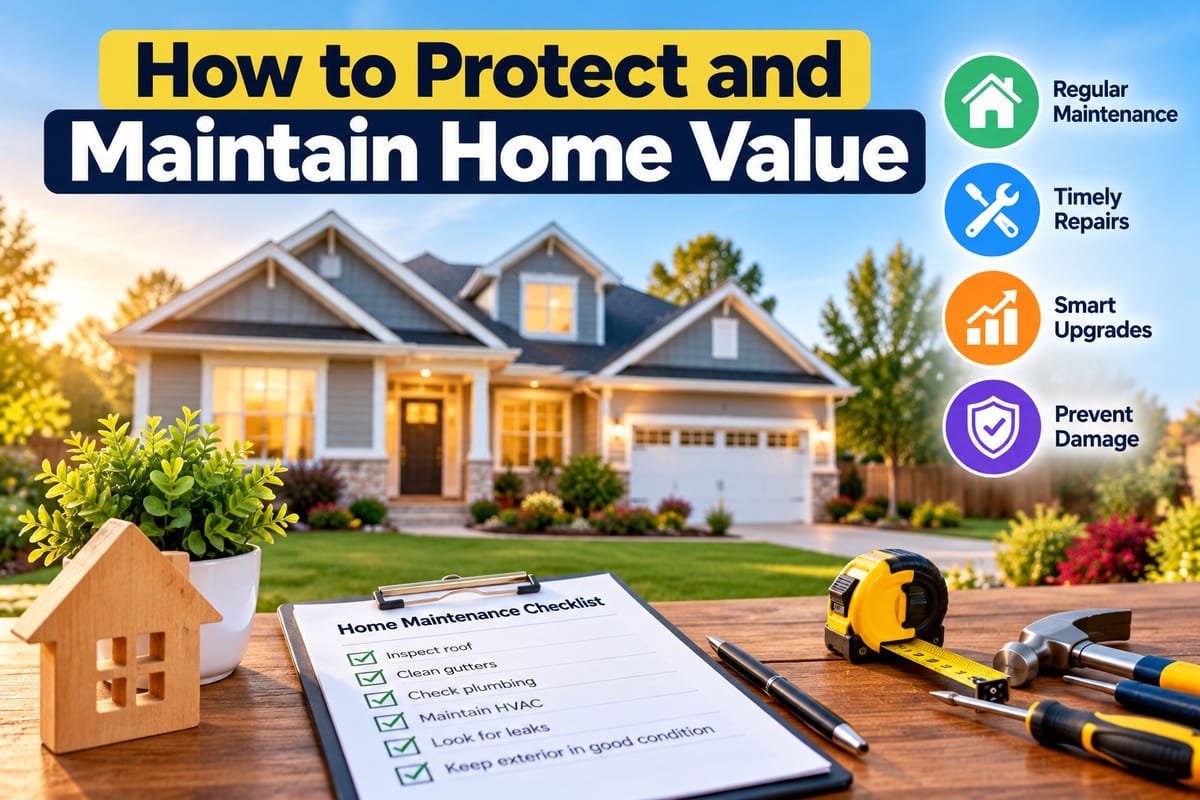
How to Protect and Maintain Home Value
A home is more than a place to live. For many homeowners, it is also one of the largest financial assets they will ever own. Protecting that asset requires more than keeping the property looking attractive. Regular maintenance, timely repairs, sensible improvements, and careful attention to the surrounding property can all influence how well a home retains its value over time.
Home values are affected by many factors outside a homeowner’s control, including local market conditions, neighborhood development, interest rates, and housing demand. However, homeowners can control the condition of the property itself.
Understanding what protects home value can help homeowners avoid preventable deterioration and make more informed decisions about maintenance and improvements.
What Determines Home Value?
Home value is influenced by a combination of property-specific and market-related factors.
These can include:
- Location
- Property size
- Layout
- Condition
- Age
- Construction quality
- Lot size
- Neighborhood characteristics
- Local housing demand
- Nearby amenities
- Recent comparable sales
- Improvements and renovations
The Property Value Guide provides a broader overview of the factors that can influence what a property is worth.
While homeowners cannot control every factor, maintaining the property can help prevent avoidable reductions in value.
Why Home Maintenance Matters
Maintenance protects a property by addressing small problems before they develop into expensive structural or functional issues.
A minor roof leak, for example, may initially require a relatively simple repair. If ignored, moisture can eventually damage insulation, ceilings, walls, framing, or other components.
Regular maintenance can help homeowners identify problems while they are still manageable.
Important areas include:
- Roofing
- Gutters
- Plumbing
- Electrical systems
- Heating and cooling
- Exterior walls
- Windows and doors
- Foundations
- Drainage
- Landscaping
- Interior finishes
Create a Home Maintenance Schedule
Home maintenance is easier when it becomes a routine rather than an emergency response.
A maintenance schedule can divide tasks into different time periods.
Monthly Tasks
Depending on the property, monthly checks might include:
- Checking for visible leaks
- Looking for unusual moisture
- Inspecting obvious plumbing problems
- Testing safety devices
- Checking HVAC filters
- Examining frequently used fixtures
Seasonal Tasks
Seasonal maintenance can include:
- Cleaning gutters
- Checking the roof
- Inspecting exterior surfaces
- Servicing heating or cooling equipment
- Checking drainage
- Inspecting windows and doors
- Maintaining outdoor areas
Annual Tasks
Annual maintenance may include:
- Professional system inspections where appropriate
- Roof inspections
- HVAC servicing
- Checking major plumbing components
- Reviewing electrical systems
- Inspecting the foundation and exterior
- Reviewing insurance and property records
The specific schedule should reflect the home’s age, design, climate, systems, and manufacturer’s recommendations.
Prioritize Preventive Maintenance
Not every maintenance task has the same importance.
Homeowners should generally prioritize problems that could cause major damage if ignored.
High-priority areas can include:
- Active water leaks
- Roof damage
- Foundation movement
- Drainage problems
- Electrical hazards
- Plumbing failures
- Heating or cooling system problems
- Structural deterioration
- Pest damage
Preventive maintenance can be less expensive than repairing extensive damage after a problem has been allowed to develop.
Protect the Roof
The roof is one of the home’s most important protective systems.
It helps shield the interior from rain, wind, sunlight, and other environmental conditions.
Homeowners should periodically look for:
- Missing or damaged roofing materials
- Cracked flashing
- Damaged vents
- Blocked drainage
- Moss or organic growth where problematic
- Signs of water intrusion
- Sagging areas
Roof problems should be addressed promptly because water can travel through concealed spaces and cause damage that is not immediately visible.
Keep Gutters and Drainage Systems Working
Water management plays a major role in protecting a home.
Gutters and downspouts help direct rainwater away from vulnerable areas. Poor drainage can contribute to:
- Foundation moisture
- Basement or crawl-space problems
- Soil erosion
- Landscaping damage
- Exterior wall deterioration
- Water intrusion
Gutters should be kept clear, and downspouts should direct water away from the foundation where appropriate.
Protect the Exterior of the Home
Exterior walls, siding, paint, masonry, trim, windows, and doors are constantly exposed to weather.
Regular inspection can identify:
- Cracks
- Peeling paint
- Rot
- Damaged siding
- Failed seals
- Loose trim
- Water stains
- Deteriorating masonry
Addressing these problems helps maintain the home’s appearance while also reducing the risk of moisture entering the building envelope.
Maintain Plumbing Systems
Plumbing problems can create substantial damage if they are not addressed quickly.
Homeowners should watch for:
- Leaking faucets
- Slow drains
- Running toilets
- Low water pressure
- Water stains
- Damp cabinets
- Unusual pipe noises
- Persistent moisture
A small leak under a sink may seem insignificant, but prolonged moisture can damage cabinets, flooring, walls, and other materials.
Regularly checking visible plumbing components can help catch problems earlier.
Maintain Electrical Systems Safely
Electrical systems require particular attention because problems can create both property damage and safety risks.
Warning signs can include:
- Frequently tripped breakers
- Flickering lights
- Burning odors
- Warm outlets
- Damaged wiring
- Sparking
- Loose electrical fixtures
Homeowners should avoid attempting electrical work beyond their skill level. Qualified professionals should handle work that requires specialized knowledge or involves significant changes to household wiring.
Keep Heating and Cooling Systems Maintained
Heating, ventilation, and air-conditioning systems can affect comfort, energy use, and indoor conditions.
Regular maintenance can include:
- Replacing or cleaning filters
- Checking vents
- Keeping outdoor equipment clear
- Scheduling professional servicing when appropriate
- Watching for unusual sounds
- Monitoring changes in performance
Well-maintained systems can also help reduce the likelihood of unexpected breakdowns.
Maintain the Home’s Interior
Interior maintenance matters because deterioration inside the property can affect both livability and resale appeal.
Areas to monitor include:
- Walls
- Ceilings
- Flooring
- Cabinets
- Doors
- Windows
- Bathrooms
- Kitchens
- Fixtures
Addressing small cosmetic problems can prevent them from becoming more noticeable or contributing to larger maintenance issues.
Keep Moisture Under Control
Moisture is one of the most common causes of property deterioration.
Excess moisture can contribute to:
- Mold growth
- Wood rot
- Paint damage
- Flooring problems
- Structural deterioration
- Unpleasant odors
- Pest activity
Potential moisture sources include plumbing leaks, roof problems, poor drainage, condensation, inadequate ventilation, and water intrusion around windows or doors.
Finding and correcting the source is generally more important than simply treating the visible damage.
Protect Bathrooms and Kitchens
Bathrooms and kitchens experience frequent exposure to water, heat, humidity, and heavy use.
Homeowners should inspect:
- Sink plumbing
- Faucets
- Toilets
- Shower areas
- Caulking
- Grout
- Cabinets
- Countertops
- Ventilation
Damaged seals or deteriorating caulk can allow water to enter areas where it can cause hidden damage.
Keeping these spaces clean and dry while addressing leaks quickly can help preserve their condition.
Maintain Windows and Doors
Windows and doors contribute to security, weather protection, energy efficiency, and appearance.
Check for:
- Damaged seals
- Cracked glass
- Rot
- Drafts
- Difficulty opening or closing
- Damaged locks
- Moisture between panes
- Deteriorating frames
Replacing or repairing damaged components can prevent larger problems and keep the home functioning properly.
Take Care of Landscaping
Landscaping can influence a property’s appearance and, in some circumstances, its functionality.
Trees, shrubs, drainage features, lawns, and other outdoor elements should be maintained with the home in mind.
Avoid allowing vegetation to:
- Block drainage
- Touch the roof
- Damage exterior surfaces
- Interfere with utility equipment
- Grow against vulnerable structures
- Create pathways for pests
Large trees should receive particular attention because falling branches or root growth can cause significant property damage.
Make Improvements That Support Long-Term Value
Not every renovation produces the same benefits.
Homeowners should consider whether an improvement:
- Solves a genuine problem
- Improves functionality
- Increases durability
- Improves energy efficiency
- Updates an outdated feature
- Enhances broad buyer appeal
- Fits the character of the property
The How to Protect and Improve Home Value guide provides additional information about protecting property value while making improvements.
A renovation should ideally improve the home rather than simply add features that may appeal to a narrow group of future buyers.
Avoid Over-Improving the Property
Home improvements cost money, but the amount spent does not necessarily translate directly into an equivalent increase in market value.
A homeowner should consider:
- Local property values
- Comparable homes
- Neighborhood expectations
- Quality of construction
- Expected buyer demand
- Long-term usefulness
An extremely expensive renovation may not make financial sense if nearby properties do not support the resulting price range.
Improvements should therefore be considered in the context of the broader local market.
Keep Records of Repairs and Improvements
Maintaining organized property records can make home ownership easier.
Useful records include:
- Receipts
- Contractor invoices
- Warranties
- Inspection reports
- Maintenance records
- Appliance information
- Renovation documentation
- Permit records where applicable
These records can help homeowners understand the property’s history and provide useful information when the home is eventually sold.
Use Professional Inspections Strategically
Professional inspections can identify problems that homeowners may overlook.
An inspection can provide information about:
- Structural components
- Roofing
- Plumbing
- Electrical systems
- HVAC equipment
- Exterior conditions
- Interior systems
- Moisture problems
The Home Inspection Guide: What Buyers Need to Check explains the major areas that should be examined during a home inspection.
Although inspections are commonly associated with buying and selling, homeowners can also benefit from understanding what professional inspectors look for when assessing property condition.
Pay Attention to Small Warning Signs
Homeowners should not wait for a major failure before investigating unusual changes.
Potential warning signs include:
- New cracks
- Water stains
- Unusual odors
- Doors that suddenly stick
- Windows that become difficult to open
- Uneven floors
- Persistent dampness
- Unexpected increases in utility costs
- Strange noises from mechanical systems
- Recurring pest activity
A single warning sign does not necessarily indicate a serious problem, but repeated or worsening changes deserve attention.
Maintain the Home’s Curb Appeal
Appearance is not the only factor determining property value, but first impressions can influence how a home is perceived.
Basic exterior upkeep can include:
- Keeping lawns and gardens maintained
- Cleaning exterior surfaces
- Maintaining walkways
- Repairing damaged fencing
- Keeping entry areas in good condition
- Repainting deteriorating surfaces
- Keeping outdoor lighting functional
These tasks can help the property look cared for without requiring major renovations.
Protect the Home From Preventable Damage
Some risks can be reduced through simple precautions.
Homeowners can consider:
- Installing appropriate smoke and carbon monoxide detectors
- Maintaining fire extinguishers where appropriate
- Securing handrails
- Addressing slippery surfaces
- Protecting pipes from freezing where relevant
- Maintaining drainage
- Storing hazardous materials safely
- Keeping electrical systems in good condition
- Addressing pest problems early
Preventing damage is often easier and less expensive than restoring a property after a major incident.
Consider Energy Efficiency
Energy efficiency can contribute to a home’s operating costs and may influence buyer interest.
Potential improvements include:
- Improving insulation
- Sealing air leaks
- Maintaining HVAC systems
- Upgrading inefficient lighting
- Improving windows where appropriate
- Using efficient appliances
- Managing heating and cooling effectively
The financial benefit of an efficiency improvement depends on the property’s characteristics, local energy costs, climate, and the cost of the upgrade.
Maintain Documentation for Major Work
Major renovations and repairs should be documented carefully.
Keep information about:
- What was changed
- When the work was completed
- Who performed it
- Materials used
- Applicable warranties
- Permits
- Inspection approvals where required
- Maintenance instructions
Good documentation can help demonstrate that significant work was completed properly and can make future maintenance easier.
Understand What You Cannot Control
Maintaining a home does not guarantee that its market value will increase.
Property values can change because of factors such as:
- Local economic conditions
- Interest rates
- Housing supply
- Employment trends
- Population changes
- Neighborhood development
- Buyer demand
- Broader real estate conditions
A homeowner can control the condition and maintenance of the property but cannot control the entire housing market.
The goal of maintenance is therefore not to guarantee a particular future sale price. It is to keep the property functional, attractive, safe, and in good condition while reducing avoidable deterioration.
A Practical Home Value Maintenance Checklist
A simple recurring checklist can help homeowners stay organized.
Every Month
- Look for leaks
- Check for unusual moisture
- Inspect visible plumbing
- Check HVAC filters
- Test relevant safety devices
Every Few Months
- Inspect exterior surfaces
- Check windows and doors
- Review drainage
- Look for pest activity
- Examine visible roof areas where safely accessible
Seasonally
- Clean gutters
- Inspect outdoor drainage
- Service heating or cooling systems as appropriate
- Maintain landscaping
- Check for weather-related damage
Annually
- Review major systems
- Inspect the roof
- Review insurance and property records
- Schedule professional inspections or servicing when appropriate
- Plan necessary repairs
- Review potential improvement projects
The exact schedule should be adjusted according to the property’s age, location, construction, climate, and systems.
Making Home Maintenance Part of Long-Term Ownership
Protecting home value is less about making one major improvement and more about consistently caring for the property.
Regular inspections, preventive maintenance, prompt repairs, sensible upgrades, moisture control, safe operation of household systems, and careful documentation can all contribute to keeping a home in good condition.
The Home Maintenance Projects resource provides additional ideas for organizing and completing routine maintenance around the property.
A well-maintained home is not protected from every market change or unexpected problem. However, consistent attention to its structure, systems, appearance, and surroundings can reduce preventable deterioration and help preserve the property’s usefulness and condition for years to come.