Hurricane Rachel Strengthens as Flooding Raises New Home Repair Concerns
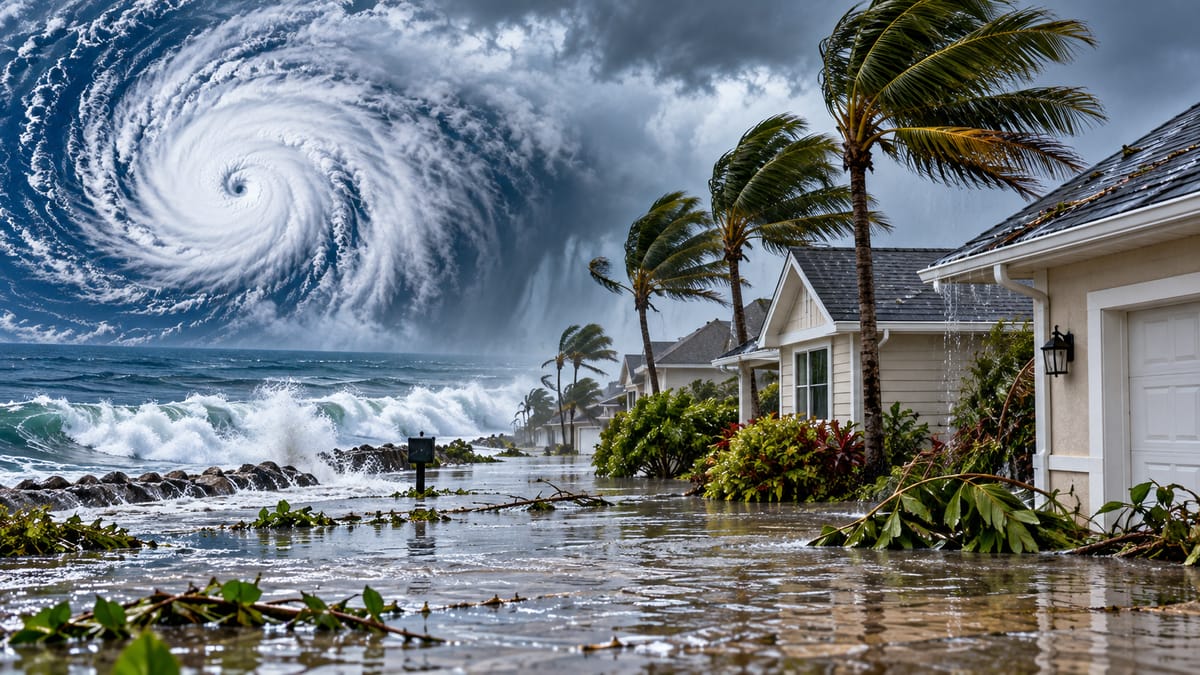
Hurricane Rachel Strengthens as Flooding Raises New Home Repair Concerns
Hurricane Rachel strengthened rapidly off Mexico’s Pacific coast on Thursday, reaching Category 3 intensity as the storm moved slowly westward offshore. While the hurricane’s core was forecast to remain away from Mexico’s coastline, its outer bands were producing heavy rain, dangerous surf and conditions capable of causing flooding and mudslides.
The National Hurricane Center reported that Rachel had maximum sustained winds of 120 mph as of Thursday afternoon, with a minimum central pressure of 950 millibars. The storm was about 245 miles south of the southern tip of Baja California and moving west at roughly 3 mph. No coastal watches or warnings were in effect at that time.
The immediate threat to homes is not limited to direct hurricane-force winds. Heavy rainfall, saturated ground, overflowing drainage systems and coastal water can create a different set of problems that may continue after the storm moves away.
For homeowners in areas affected by Rachel’s rainfall or by recent storms, the situation is another reminder that storm preparation and post-storm inspections can be just as important as protecting a property from high winds.
Hurricane Rachel Strengthens Offshore
Rachel developed into a hurricane as it moved northwestward along Mexico’s Pacific coast before gradually turning westward.
By Thursday afternoon, the storm had strengthened to Category 3 status. The National Hurricane Center said environmental conditions remained favorable for additional strengthening in the short term, although cooler ocean temperatures, drier air and other atmospheric factors were expected to contribute to weakening later in the forecast period.
The storm’s slow movement was another important factor.
A slower-moving tropical system can allow heavy rainfall to persist over particular areas, increasing the potential for water to accumulate faster than soil, drainage systems and waterways can handle.
Earlier National Hurricane Center forecasts warned that Rachel’s rainfall could produce life-threatening flooding and mudslides, particularly in areas with steep terrain.
Why Flooding Can Create Long-Term Home Damage
Floodwater can affect far more than a home’s visible surfaces.
Water can enter through doors, windows, roof openings, foundation cracks and other vulnerable points. Once inside, it can damage flooring, drywall, insulation, electrical components, cabinetry and personal belongings.
Moisture that remains trapped inside walls or beneath floors can create additional problems even after standing water disappears.
This is why homeowners should not assume that a property is fully recovered simply because floodwater has receded.
A careful inspection can help identify damage that may not be immediately obvious.
The broader process is covered in the Home Repairs Guide: Common Problems and Solutions, which explains how homeowners can approach common repair problems and determine when professional assistance may be necessary.
Drainage Systems Become Critical During Heavy Rain
One of the first lines of defense against storm-related water damage is effective drainage.
Gutters, downspouts, grading, drains and other components help move rainwater away from a home’s foundation.
When these systems become clogged, overwhelmed or improperly positioned, water can collect around the structure.
Heavy rainfall associated with Rachel could therefore expose weaknesses that might not be noticeable during ordinary weather.
Homeowners can learn more about this relationship in How Drainage Systems Protect Homes.
A functioning drainage system does not guarantee that a property will avoid flooding, particularly during extreme rainfall. However, keeping drainage components maintained can reduce some preventable sources of water accumulation.
Roofs and Exterior Walls Face Multiple Threats
Strong storms can expose weaknesses throughout a home’s exterior.
Roofing materials may be damaged by wind or flying debris. Shingles, flashing, vents and other components can become vulnerable entry points for rain.
Exterior walls also serve as a critical barrier between the indoor environment and severe weather.
The relationship between these systems is explored in How Home Exterior Walls and Building Envelopes Protect Against Weather.
A home’s building envelope includes the exterior components that help control the movement of water, air and heat between the interior and outside environment.
When one part of that system is damaged, other components can become exposed to additional moisture.
Flood Damage May Not Always Be Immediately Visible
One of the most challenging aspects of storm recovery is that water damage can continue after the weather improves.
A wall may look intact from the outside while moisture remains behind drywall.
Similarly, flooring can appear relatively normal while water has penetrated the materials underneath.
Homeowners should watch for signs such as:
- Damp or discolored walls
- Bubbling or peeling paint
- Warped flooring
- Musty odors
- Swollen wood
- Damaged insulation
- Water stains around windows or ceilings
- Cracks that appear or worsen after flooding
- Persistent moisture around the foundation
These signs do not necessarily indicate the same underlying problem, which is why significant storm damage may require professional assessment.
Why Moisture Can Become a Bigger Problem After the Storm
Flooding introduces more than water into a home.
Moisture can create conditions that encourage mold growth and can damage building materials over time.
Porous materials may absorb water and remain damp long after visible flooding has disappeared. Drying these materials properly can therefore be an important part of the recovery process.
Homeowners should also be cautious about entering areas where floodwater may have reached electrical systems.
If water has entered a home’s electrical equipment, professional evaluation may be necessary before affected systems are used again.
The safest response depends on the extent and source of the flooding.
What Homeowners Should Check After Heavy Rain
Once local authorities indicate that conditions are safe, homeowners can begin assessing their properties from the outside.
A basic visual inspection can include:
Check the roof
Look for missing, damaged or displaced roofing materials and signs that water may have entered the attic or upper floors.
Inspect gutters and downspouts
Remove accumulated leaves and debris when it is safe to do so, and check whether downspouts are directing water away from the foundation.
Examine exterior walls
Look for cracks, damaged siding, loose trim and water stains.
Check windows and doors
Inspect seals, frames and surrounding walls for signs of water intrusion.
Look at the foundation
Standing water, new cracks, soil erosion or persistent dampness around the foundation can indicate drainage or structural concerns.
Inspect interior spaces
Look for damp flooring, damaged drywall, unusual odors and other signs of water intrusion.
Homeowners should avoid climbing onto roofs or entering unstable structures simply to inspect damage. Storm-damaged properties can contain hidden hazards.
Landscaping Can Influence Where Stormwater Goes
A home’s landscaping can also affect water movement.
Soil, slopes, retaining walls, paved surfaces and vegetation all influence how rainfall moves around a property.
If water naturally flows toward a house, even a well-maintained gutter system may not be enough during a major storm.
Small drainage improvements can sometimes help redirect water, but larger grading or drainage problems may require a more comprehensive assessment.
This is particularly important in neighborhoods where multiple properties share similar drainage patterns.
Water that leaves one property can sometimes accumulate on another, creating problems beyond the control of a single homeowner.
Home Maintenance Before the Next Storm
Storm preparation does not begin when a hurricane warning is issued.
Routine maintenance can identify vulnerabilities before severe weather arrives.
A practical Home Maintenance Projects routine can include inspecting roofing materials, cleaning gutters, checking exterior seals, maintaining drainage systems and addressing small leaks before they become larger problems.
These tasks may appear minor during normal weather, but small weaknesses can become significant when exposed to extreme rainfall and wind.
For homeowners in hurricane-prone areas, routine maintenance can therefore form part of a broader property-resilience strategy.
Recent Storms Have Already Left Flooding Concerns
Rachel is arriving after another period of significant storm activity affecting Mexico and nearby regions.
Hurricane Polo previously brought destructive winds and flooding to parts of Mexico before weakening. Reuters reported that Polo toppled trees and utility poles, caused flooding and forced road closures before its remnants continued producing heavy rain.
That matters for home repair concerns because already saturated soil and previously damaged infrastructure can leave communities more vulnerable to another round of heavy rainfall.
A property that has recently experienced water intrusion may also have unresolved moisture problems that could become worse if additional rain enters the structure.
Coastal Homes Face Additional Risks
Homes near the coast can face several overlapping hazards during major storms.
Large waves and storm-driven water can affect beaches, roads, drainage systems and low-lying properties.
The National Hurricane Center warned that Rachel-generated swells could create dangerous surf and rip-current conditions along portions of western Mexico and the southern Baja California Peninsula.
Coastal exposure can also accelerate wear on exterior materials.
Saltwater, moisture and wind can place additional stress on metal components, exterior finishes, windows and other building materials.
For homeowners near the coast, routine inspections can help identify deterioration before it becomes a major repair.
When a Storm-Damaged Home May Need Professional Help
Not every storm-related problem requires a contractor.
A homeowner may be able to handle relatively simple maintenance tasks, such as clearing accessible debris from gutters or replacing certain minor exterior components.
More significant damage is different.
Professional help may be appropriate when a home has experienced:
- Significant flooding
- Structural movement or new major cracks
- Roof damage
- Extensive water intrusion
- Electrical damage
- Sewage-contaminated water
- Persistent moisture
- Suspected mold growth
- Damaged foundations
- Large fallen trees affecting the structure
Safety should take priority over trying to complete repairs quickly.
A storm-damaged property can contain unstable materials, exposed electrical wiring, contaminated water and other hazards that are not obvious during an initial inspection.
Documenting Damage Can Help With Recovery
Homeowners dealing with significant storm damage should also document what happened.
Photographs and videos can help create a record of damaged areas and affected belongings.
It can be useful to photograph rooms, exterior walls, roofing, drainage areas and visible water levels before making major changes, provided doing so is safe.
Keeping receipts and records for emergency repairs can also help maintain an organized recovery file.
The specific documentation required will depend on the homeowner’s circumstances, insurance policy and local requirements.
Why Prevention Matters After Flooding
Flooding can reveal weaknesses that existed before the storm.
A clogged gutter, poorly directed downspout, damaged roof seal or foundation drainage problem may have been relatively minor during ordinary rainfall.
Extreme weather can expose those weaknesses quickly.
That makes post-storm repair more than a process of restoring a property to its previous condition. In some cases, it can also provide an opportunity to identify why water entered the home and address the vulnerability before the next major storm.
For homeowners dealing with repeated rainfall or flooding, understanding the source of the water can be as important as repairing the visible damage.
Rachel’s Home Repair Concerns Extend Beyond the Storm
Hurricane Rachel’s rapid strengthening offshore highlights how quickly conditions can change during tropical weather events. By Thursday afternoon, the storm had reached Category 3 intensity with 120 mph winds, although its core remained offshore and no coastal watches or warnings were in effect at the time of the National Hurricane Center’s advisory.
For homeowners, however, the most important concerns may continue after the storm itself moves away.
Heavy rainfall can overwhelm drainage systems, saturate soil and expose weaknesses in roofs, walls, foundations and other parts of a home’s exterior.
The best response is not to assume that visible damage tells the whole story. Careful inspections, prompt attention to moisture problems and regular maintenance can help homeowners identify vulnerabilities before they become more expensive repairs.
As Rachel moves farther into the Pacific, the storm may eventually weaken, but the lessons for homeowners remain: effective drainage, a maintained building envelope and early detection of water damage can all play important roles in protecting a home when severe weather arrives.