New York Design Center's What's New, What's Next Set to Spotlight New Interior Design Directions
New York Design Center’s What’s New, What’s Next Set to Spotlight New Interior Design Directions
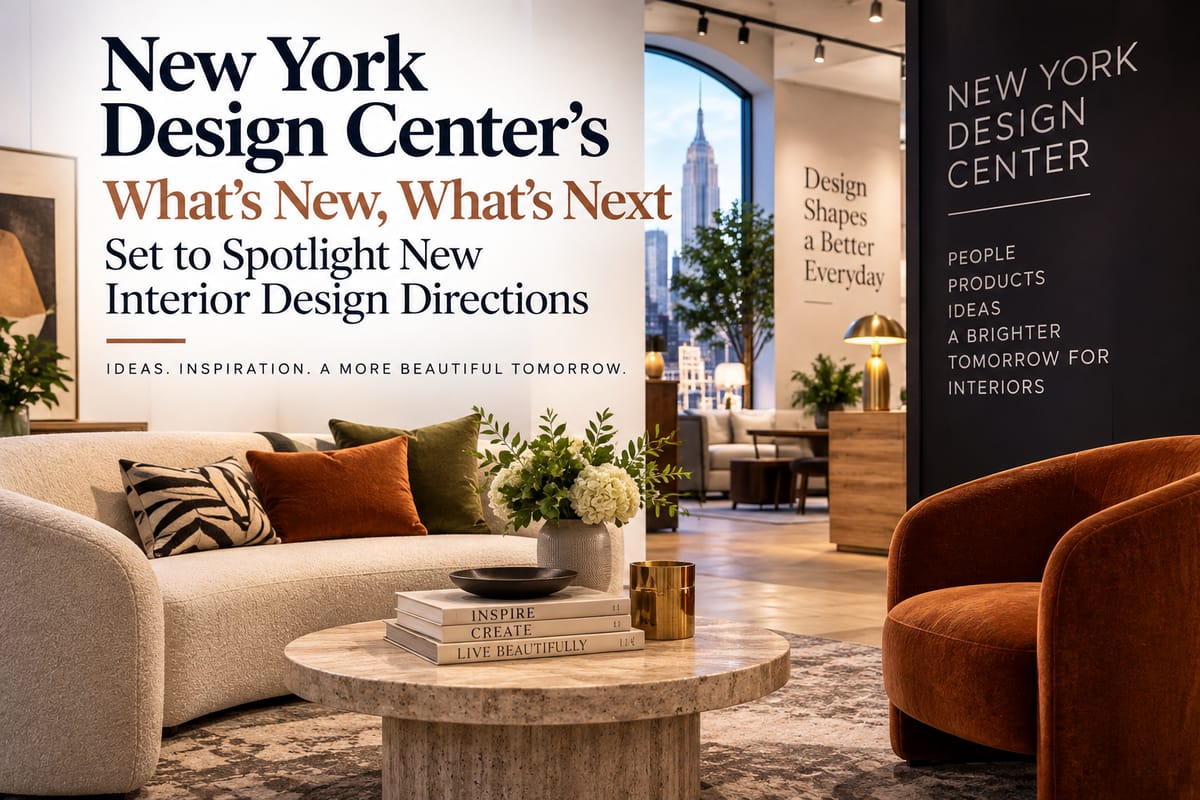
The New York Design Center is preparing to put the spotlight on emerging interior design ideas, materials and products as its annual What’s New, What’s Next event returns to 200 Lex in New York City on September 17, 2026.
The 2026 edition carries additional significance for the design community because it is part of the New York Design Center’s 100th-anniversary celebrations. The event is positioned as a showcase for new ideas and creative directions across furniture, textiles, lighting, surfaces, accessories and other areas of interior design.
According to the New York Design Center, this year’s event brings together 105 showrooms and 150 ambassadors for a full day of programming focused on what designers and the wider industry see as the “new” and “next” in design.
A Major Meeting Point for Interior Design
What’s New, What’s Next has become an important annual gathering for designers, brands, media and design enthusiasts looking for early signals about where residential and commercial interiors may be heading.
The event takes place at the New York Design Center at 200 Lexington Avenue, a building that houses nearly 100 showrooms and more than 500 furniture and design lines. Its offerings extend beyond furniture to include fabrics, flooring, lighting, wall coverings, kitchen and bath products and decorative accessories.
That breadth makes the event more than a traditional product launch. It gives designers an opportunity to see how different categories are evolving at the same time and how materials, colors, craftsmanship and furniture styles can work together in a complete interior.
For homeowners, that broader perspective can also be useful when thinking about the principles covered in a Complete Guide to Home Decor and Styling, particularly when choosing individual pieces that need to work together rather than simply following a single trend.
Personal Spaces Could Remain a Strong Design Direction
One of the broader shifts influencing interior design is the movement away from rooms that look overly coordinated or staged.
Designers are increasingly exploring spaces that feel collected, layered and connected to the people who live in them. That can mean combining contemporary furniture with vintage pieces, using artwork to introduce personality or selecting materials that develop character over time.
The direction is reflected in the growing conversation around how interior designers are moving away from perfect showrooms toward more personal homes.
The trend does not necessarily mean abandoning polished design. Instead, it suggests that visual consistency may be giving way to a greater emphasis on individuality, comfort and storytelling.
What’s New, What’s Next provides an opportunity to see how that philosophy is being translated into actual furniture, fabrics, lighting and accessories.
Texture and Materiality Take Center Stage
Materials are likely to be another important part of the conversation at 200 Lex.
Interior design is increasingly about how a room feels as much as how it looks. Upholstery, wood, stone, metal, glass and woven materials can introduce different levels of texture and visual depth, allowing relatively simple spaces to feel more distinctive.
The New York Design Center’s programming includes conversations and showroom presentations focused on craftsmanship and material innovation. One example is a scheduled conversation between curator and writer Daniella Ohad and designer Richard Haining that explores studio practice and material innovation.
The emphasis on materials also connects with broader developments in global textile and home-furnishing design. Designers looking at international influences can find additional context in the interior design trends emerging from Intertextile Shanghai 2026, where textiles and material choices provide another window into changing preferences.
Color Moves Beyond Simple Trend Cycles
Color remains one of the easiest ways for designers to change the character of an interior, but current conversations increasingly focus on how colors work as part of a larger material and emotional palette.
For What’s New, What’s Next, Benjamin Moore has created a dedicated palette featuring 10 shades ranging from luminous whites to deeper midnight tones. The collection is intended to reflect the energy and creative atmosphere surrounding the event.
The range illustrates how interior color can move beyond isolated “color of the year” conversations. Designers can combine lighter shades with deeper tones, use color to establish mood and introduce contrast through furniture, walls, textiles and accessories.
That approach gives homeowners more flexibility because it does not require an entire room to be redesigned around a single fashionable color.
Furniture Becomes More Than a Functional Choice
Furniture selection is another area where changing design preferences can become particularly visible.
Rather than treating sofas, chairs, tables and storage pieces as purely functional purchases, designers increasingly use them to establish proportion, movement, texture and personality within a room.
The growing variety of contemporary and traditional furniture available at 200 Lex reflects that broader approach. The New York Design Center represents hundreds of product lines across residential and contract furniture, giving designers access to styles ranging from highly contemporary pieces to more traditional designs.
For homeowners planning a renovation or refresh, understanding scale, proportion, durability and room function remains just as important as appearance. A detailed Furniture Selection: Complete Guide to Choosing Home Furniture can provide a useful framework for thinking through those decisions before individual pieces are purchased.
Craftsmanship and Handmade Design Gain Visibility
Another direction likely to receive attention is the continued interest in craftsmanship.
The event’s programming includes showroom activations and presentations that highlight handmade objects, artisan techniques and collaborations between designers and makers. Vaughan Designs, for example, is using the event to showcase its Autumn/Winter 2026 collection, which draws on centuries of design history and includes lighting made with traditional techniques.
Other participating showrooms are introducing new products and collections during the event. The New York Design Center has also highlighted new additions to its showroom community, including brands working across textiles, lighting, furniture, architectural surfaces and decorative products.
This focus on craftsmanship fits naturally with the move toward interiors that feel less disposable. A handmade light, distinctive textile or carefully constructed piece of furniture can become a focal point rather than simply another item filling a room.
The Return of Pattern, Character and Individuality
Interior design trends rarely move in a perfectly straight line. Elements that once appeared traditional can be reinterpreted through modern materials, unusual proportions or contemporary color combinations.
Pattern, decorative detailing and period references can therefore coexist with minimalist architecture and modern furniture.
The New York Design Center’s previous What’s New, What’s Next programming has highlighted predictions around one-of-a-kind pieces, organic shapes, richer textures, colorful interiors and materials with visible character.
Those ideas point toward a design environment in which individuality can matter as much as minimalism.
Instead of asking whether a room is strictly modern, traditional or contemporary, designers may increasingly combine influences to create interiors that feel more personal.
Why the Event Matters Beyond New York
Although What’s New, What’s Next takes place in Manhattan, the ideas introduced at the event can influence design conversations well beyond New York.
Designers, manufacturers, retailers and media organizations use major industry gatherings to identify products and creative approaches that may become more widely available over time. The event’s combination of showroom launches, panel discussions, interviews and demonstrations makes it a useful snapshot of what the industry is experimenting with.
The 2026 edition features more than 65 programs and over 185 speakers, according to the New York Design Center, creating a broad platform for discussions about design, creativity, materials and the future of interiors.
That variety also means there is unlikely to be one single definition of what comes next. Different designers can interpret the same broader movement in completely different ways.
What Homeowners Can Watch For
For homeowners, the most useful takeaway from events like What’s New, What’s Next may not be a particular product or color.
Instead, the event can offer clues about broader design principles: more personalized spaces, greater attention to texture, renewed interest in craftsmanship, flexible furniture choices and interiors that combine different periods and influences.
Those ideas can be adapted without completely redesigning a home. A new textured chair, a handmade lamp, a patterned textile or a carefully chosen piece of artwork can change the atmosphere of a room without requiring a full renovation.
As the New York Design Center marks its 100th anniversary, the 2026 edition of What’s New, What’s Next arrives at a moment when interior design is balancing new technology and materials with a renewed appreciation for craftsmanship, individuality and spaces that feel genuinely lived in.