The Ultimate Guide to Growing Vegetables at Home
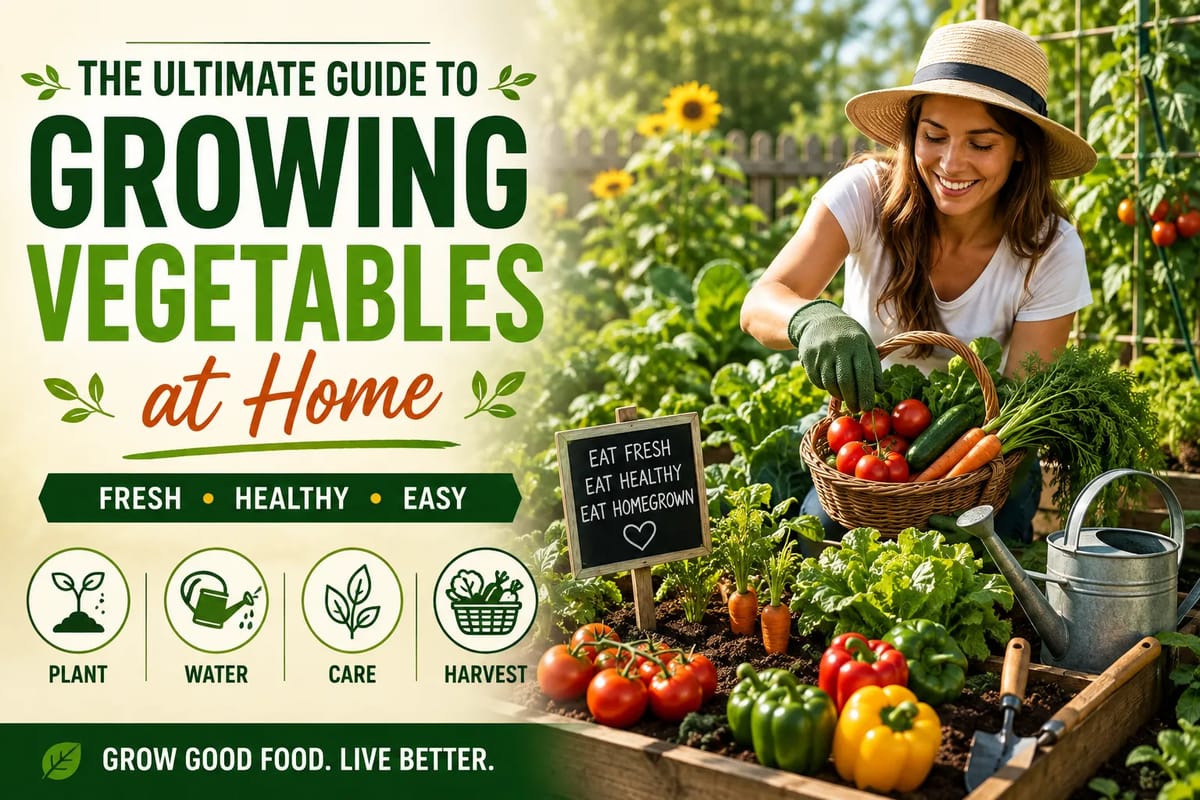
The Ultimate Guide to Growing Vegetables at Home
Growing your own vegetables is one of the most rewarding ways to enjoy fresh, nutritious food while saving money and spending more time outdoors. Whether you have a large backyard, a small patio, or even a sunny balcony, home vegetable gardening makes it possible to harvest delicious produce right outside your door. With careful planning, healthy soil, and regular maintenance, even beginners can enjoy a productive garden throughout the growing season.
Home gardening has also become increasingly popular as more people seek sustainable lifestyles, healthier eating habits, and greater self-sufficiency. Fortunately, you don’t need years of experience to get started. This guide explains everything you need to know about growing vegetables at home, from selecting the right location and preparing the soil to watering, pest control, harvesting, and common gardening mistakes to avoid.
If you want to understand how vegetable gardening fits into a broader approach to growing plants and creating productive garden spaces, see the Complete Guide to Flower Gardening.
Why Grow Vegetables at Home?
Home vegetable gardens offer numerous benefits beyond fresh produce.
Growing your own vegetables can help you:
- Enjoy fresher, more flavorful food
- Save money on groceries
- Reduce food waste
- Control pesticide use
- Eat more nutritious meals
- Spend more time outdoors
- Reduce your environmental impact
- Learn valuable gardening skills
Gardening can also provide exercise, reduce stress, and create opportunities for families to spend time together.
Choosing the Right Garden Location
Most vegetables need plenty of sunlight to thrive.
Look for a location that offers:
- At least 6–8 hours of direct sunlight
- Well-draining soil
- Easy access to water
- Good air circulation
- Protection from strong winds
Avoid areas where water tends to collect after rain, as overly wet soil can damage plant roots.
Understanding Your Soil
Healthy soil is the foundation of every successful vegetable garden.
Good garden soil should be:
- Rich in organic matter
- Loose and well-drained
- Moist but not waterlogged
- Full of beneficial microorganisms
Improve poor soil by adding:
- Compost
- Aged manure
- Leaf mold
- Organic soil conditioners
Testing your soil’s pH can also help determine whether amendments are needed.
For a deeper look at building productive growing conditions, see the Ultimate Guide to Soil Health.
Raised Beds or In-Ground Gardens?
Both gardening methods have advantages.
Raised Beds
Benefits include:
- Better drainage
- Easier weed control
- Improved soil quality
- Less soil compaction
- Comfortable working height
For more information about planning, building, and maintaining this type of garden, see How to Build and Manage Healthy Raised Garden Beds.
In-Ground Gardens
Advantages include:
- Lower startup costs
- Larger growing space
- Better moisture retention
- Suitable for large crops
Choose the option that best suits your available space and gardening goals.
Container Gardening
Don’t have a backyard?
Many vegetables grow well in containers, including:
- Tomatoes
- Peppers
- Lettuce
- Spinach
- Radishes
- Herbs
- Green onions
Use containers with drainage holes and quality potting mix for the best results.
If you’re working with a small outdoor space, the Complete Beginners Guide to Container Gardening provides additional guidance on choosing containers, soil, and suitable plants.
Choosing Vegetables for Beginners
Some vegetables are easier to grow than others.
Excellent beginner choices include:
- Lettuce
- Spinach
- Carrots
- Beans
- Peas
- Cucumbers
- Zucchini
- Tomatoes
- Radishes
- Green onions
These crops are generally reliable and forgiving for new gardeners.
Planning Your Garden Layout
Before planting, sketch a simple garden plan.
Consider:
- Plant height
- Sunlight requirements
- Spacing
- Companion planting
- Walking paths
- Water access
Taller plants should generally be placed where they won’t shade smaller crops.
Starting from Seeds vs. Seedlings
Both methods have benefits.
Seeds
- More affordable
- Greater variety
- Ideal for many vegetables
Seedlings
- Faster harvest
- Easier for beginners
- Better for long-season crops
Many gardeners use a combination of both.
Watering Your Vegetable Garden
Consistent watering is essential.
General guidelines include:
- Water deeply rather than frequently
- Water early in the morning
- Keep leaves as dry as possible
- Adjust watering during hot weather
- Avoid overwatering
Mulch helps retain moisture and reduces evaporation.
For a more detailed explanation of watering techniques, timing, and common mistakes, see the Complete Guide to Watering Garden Plants Correctly.
Feeding Your Plants
Vegetables need nutrients to grow healthy leaves, flowers, and fruit.
Common fertilizers include:
- Compost
- Organic fertilizers
- Balanced vegetable fertilizers
- Fish emulsion
- Compost tea
Always follow application instructions to avoid over-fertilizing.
The Complete Guide to Garden Fertilizers and Plant Nutrition explains how plant nutrients and fertilizers support healthy growth.
Mulching Benefits
Mulch offers several advantages.
It helps:
- Retain soil moisture
- Reduce weeds
- Regulate soil temperature
- Improve soil health
- Reduce erosion
Popular mulch materials include straw, shredded leaves, compost, and untreated wood chips.
Compost can also play an important role in improving garden soil. Learn more in How to Make Compost and Use It Effectively in a Garden.
Managing Weeds
Weeds compete with vegetables for water, sunlight, and nutrients.
Control weeds by:
- Mulching
- Hand pulling
- Hoeing regularly
- Avoiding bare soil
- Planting closely where appropriate
Removing weeds early prevents them from spreading.
Preventing Garden Pests
Healthy gardens naturally attract insects—both helpful and harmful.
Common vegetable pests include:
- Aphids
- Caterpillars
- Slugs
- Snails
- Whiteflies
- Beetles
Natural control methods include:
- Hand removal
- Row covers
- Companion planting
- Beneficial insects
- Healthy soil management
For broader strategies covering identification, prevention, and control, see The Complete Guide to Garden Pest Control.
Understanding Companion Planting
Some plants grow better together.
Examples include:
- Tomatoes with basil
- Carrots with onions
- Beans with corn
- Marigolds near vegetables
Companion planting may help improve growth, reduce pests, and make better use of garden space.
Supporting Climbing Vegetables
Some vegetables benefit from vertical support.
Use trellises or cages for:
- Tomatoes
- Cucumbers
- Pole beans
- Peas
Vertical gardening saves space while improving airflow and making harvesting easier.
Harvesting Vegetables
Harvest vegetables when they reach peak ripeness.
General tips:
- Pick regularly
- Use clean tools
- Harvest during cooler parts of the day
- Avoid damaging plants
- Store produce properly
Frequent harvesting often encourages continued production.
Seasonal Garden Maintenance
Successful gardens require ongoing care.
Regular tasks include:
- Watering
- Weeding
- Feeding
- Monitoring pests
- Pruning where needed
- Checking for disease
- Harvesting
Consistent maintenance prevents small problems from becoming major ones.
Common Mistakes to Avoid
New gardeners often make avoidable mistakes.
Common examples include:
- Planting too early
- Overwatering
- Overcrowding plants
- Ignoring soil quality
- Skipping mulch
- Neglecting pest inspections
- Harvesting too late
Learning from these mistakes helps improve future harvests.
Frequently Asked Questions
What vegetables are easiest for beginners?
Lettuce, spinach, beans, radishes, tomatoes, zucchini, peas, carrots, and green onions are among the easiest vegetables to grow at home.
How much sunlight do vegetables need?
Most vegetables perform best with at least six to eight hours of direct sunlight each day.
Can I grow vegetables in containers?
Yes. Many vegetables grow successfully in containers as long as they have enough sunlight, quality potting mix, and consistent watering.
How often should I water my vegetable garden?
Watering depends on weather, soil type, and plant needs. In general, deep watering a few times per week is better than frequent shallow watering.
Is compost necessary?
While not strictly required, compost greatly improves soil structure, moisture retention, and nutrient availability, making it one of the best additions to a vegetable garden.
Build a Productive Garden One Season at a Time
Growing vegetables at home is an enjoyable and practical way to produce fresh, healthy food while creating a more sustainable lifestyle. Whether you’re cultivating a few pots of herbs on a balcony or maintaining a large backyard garden, success begins with healthy soil, thoughtful planning, consistent care, and patience.
Start with easy-to-grow vegetables, focus on building good gardening habits, and expand your garden as your confidence grows. With each season, you’ll gain valuable experience, enjoy fresh harvests, and discover the satisfaction that comes from growing your own food.