How to Cook Shrimp Properly
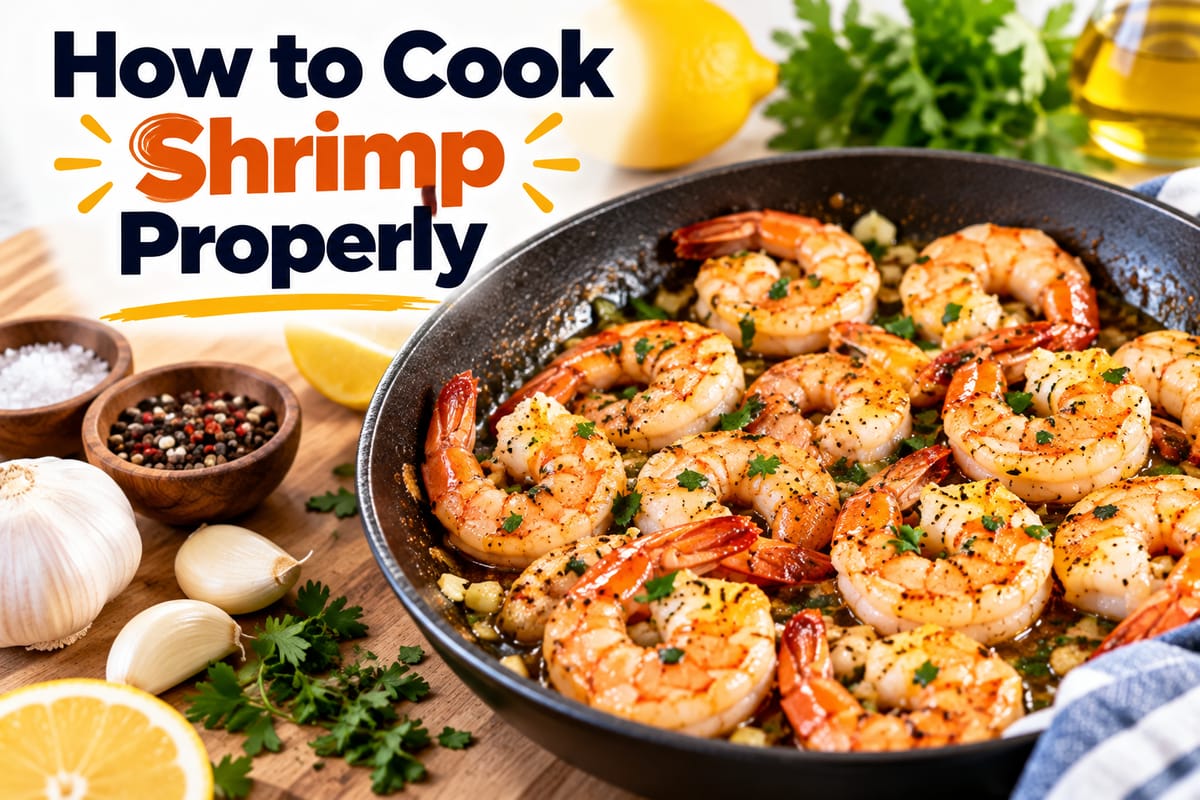
How to Cook Shrimp Properly
Shrimp are among the quickest and most versatile seafood ingredients to cook at home. They can be sautéed, grilled, roasted, steamed, boiled, baked, or added to dishes such as pasta, rice, soups, salads, and stir-fries.
Their quick cooking time is both an advantage and a challenge. Shrimp can go from raw to perfectly cooked in just a few minutes, but they can also become tough, dry, or rubbery when exposed to excessive heat for too long.
Learning how to cook shrimp properly involves more than watching the clock. The size of the shrimp, starting temperature, cooking method, heat level, preparation, and intended dish all affect the result.
With a few basic techniques, it becomes much easier to produce shrimp that are tender, flavorful, and properly cooked.
What Makes Shrimp Different From Other Proteins?
Shrimp are relatively small and contain a high proportion of moisture. Their muscle proteins change quickly when exposed to heat.
This means they generally require much less cooking time than large cuts of meat.
Shrimp can also vary considerably in size. A small shrimp may cook in only a couple of minutes, while larger shrimp can require somewhat longer.
Because of this variation, cooking time should be treated as a guideline rather than an absolute rule.
The appearance, texture, and temperature of the shrimp provide additional clues about doneness.
Choosing Shrimp for Cooking
Shrimp are sold in many forms, including:
- Fresh or previously frozen
- Shell-on
- Shell-off
- Tail-on
- Tail-off
- Deveined
- Undeveined
- Raw
- Fully cooked
- Different sizes and grades
The best choice depends on the recipe and cooking method.
Shell-on shrimp can retain moisture and provide additional flavor during cooking. Peeled shrimp are more convenient and can be easier to use in dishes where the shell would be inconvenient.
When purchasing shrimp, pay attention to the product’s condition, packaging, storage, and handling instructions.
For broader preparation guidance, the Seafood Cooking Guide: How to Prepare and Cook Seafood covers preparation and cooking considerations for different types of seafood.
Understanding Shrimp Sizes
Shrimp are commonly categorized by approximate count per pound rather than by a single universal size standard.
Labels may include terms such as:
- Small
- Medium
- Large
- Extra-large
- Jumbo
Some packages use count ranges such as 16–20 or 21–25, indicating approximately how many shrimp are contained in a pound.
The smaller the number, generally, the larger the shrimp.
Size matters because larger shrimp require more time to heat through than smaller ones.
When cooking a mixed batch, try to use shrimp of relatively similar size so that they finish at approximately the same time.
Fresh Versus Frozen Shrimp
Frozen shrimp can be an excellent option for home cooking.
Shrimp are highly perishable, and freezing can help preserve them for longer storage.
Frozen shrimp should be thawed according to appropriate food-handling practices before cooking when the recipe calls for thawed seafood.
One common approach is to thaw them in the refrigerator.
A faster method may involve placing sealed shrimp in cold water and changing the water as appropriate until they thaw.
Avoid leaving raw shrimp at room temperature for extended periods.
How to Prepare Shrimp Before Cooking
Preparation usually involves several simple steps.
1. Inspect the Shrimp
Check that the shrimp are in good condition and have been stored appropriately.
2. Peel If Necessary
Remove the shell if the recipe calls for peeled shrimp.
3. Remove the Vein if Desired
The dark line along the back of the shrimp is the digestive tract. It can be removed for appearance and texture.
4. Rinse Only When Appropriate
If shrimp require rinsing, use clean running water and avoid splashing water around the kitchen.
5. Dry the Surface
Patting shrimp dry with clean paper towels can reduce excess surface moisture.
This is particularly useful when sautéing or searing because excessive moisture can make it harder to achieve good browning.
Should Shrimp Be Deveined?
Deveining is largely a matter of preference and presentation, although removing the digestive tract can improve the appearance of the finished shrimp.
Some shrimp are sold already deveined.
For larger shrimp, the dark line may be more noticeable.
A small knife or specialized deveining tool can be used to make a shallow cut along the back and remove the tract.
Care should be taken not to damage the shrimp unnecessarily.
Seasoning Shrimp
Shrimp have a relatively delicate flavor, so seasoning can significantly affect the finished dish.
Simple combinations include:
- Salt and black pepper
- Garlic and lemon
- Paprika and garlic
- Chili and lime
- Herbs and olive oil
- Ginger and soy sauce
- Butter and garlic
- Cajun-style spices
Seasoning can be added shortly before cooking or incorporated into a marinade.
Because shrimp cook quickly, there is usually little need for complicated preparation.
The goal is to complement the natural flavor rather than overwhelm it.
How Long Should Shrimp Be Cooked?
There is no single cooking time for every shrimp.
Cooking time depends on:
- Shrimp size
- Cooking method
- Starting temperature
- Heat intensity
- Shell-on or peeled preparation
- Whether the shrimp are crowded together
- Whether they are cooked from frozen or thawed
As a general principle, shrimp cook quickly.
Small shrimp may need only a few minutes, while larger shrimp may take somewhat longer.
Rather than relying exclusively on a timer, look for changes in appearance and texture and use a food thermometer when appropriate.
How to Tell When Shrimp Are Done
Raw shrimp are generally translucent and grayish.
As they cook, their flesh becomes more opaque and changes color.
Cooked shrimp typically appear:
- Opaque rather than translucent
- Firm but not hard
- Curled rather than completely straight
- Evenly heated through
However, appearance alone is not a perfect indicator of safety.
A food thermometer provides a more objective way to assess whether seafood has reached an appropriate internal temperature.
Food safety guidance should always take priority over appearance.
Why Shrimp Turn Pink When Cooked
Shrimp contain natural pigments that become more visible as the proteins change during cooking.
This is why cooked shrimp often develop a pink, reddish, or orange exterior while the flesh becomes opaque.
The color change is useful as a visual cue, but it does not by itself guarantee that the shrimp have reached a safe temperature.
The cooking process needs to be considered as a whole.
How to Cook Shrimp in a Pan
Pan-cooking is one of the fastest ways to prepare shrimp.
A simple method involves:
- Thawing the shrimp if necessary.
- Peeling and deveining if desired.
- Patting them dry.
- Seasoning them.
- Heating a suitable pan.
- Adding a small amount of cooking oil or another appropriate fat.
- Placing shrimp in a relatively even layer.
- Cooking until they are opaque and properly heated.
- Turning them as needed.
- Removing them from the heat promptly once done.
Avoid overcrowding the pan.
When too many shrimp are added at once, they can release moisture and reduce the pan’s temperature, making browning more difficult.
How to Sauté Shrimp
Sautéing works particularly well for quick meals.
A basic combination of oil, garlic, shrimp, herbs, and lemon can produce a flavorful dish in only a few minutes.
The pan should be sufficiently hot before the shrimp are added.
Cook them in a single layer when possible and turn them so that both sides receive heat.
Because shrimp cook rapidly, have any accompanying ingredients ready before starting.
This prevents the shrimp from sitting in a hot pan while you prepare the rest of the meal.
How to Grill Shrimp
Grilling gives shrimp a distinctive roasted and slightly smoky flavor.
Larger shrimp are often easier to grill because they are less likely to overcook before they can be turned.
Shrimp can be placed directly on the grill or threaded onto skewers.
If using wooden skewers, follow appropriate preparation instructions so they do not burn during cooking.
Before grilling:
- Pat the shrimp dry.
- Season or marinate them.
- Preheat the grill.
- Use appropriately sized shrimp.
- Prepare any sauces or side dishes in advance.
Because grill temperatures can be high, shrimp should be watched closely.
How to Roast Shrimp
Roasting is useful when preparing shrimp for a larger meal or when you want to cook them alongside other ingredients.
A simple approach involves coating shrimp with a small amount of oil and seasoning before placing them in a preheated oven.
The exact cooking time depends heavily on shrimp size and oven temperature.
Arrange the shrimp in a relatively even layer so they heat consistently.
Avoid leaving them in the oven longer than necessary.
How to Bake Shrimp
Baking can be particularly convenient when shrimp are part of a larger dish.
Shrimp can be baked with ingredients such as:
- Garlic
- Butter
- Lemon
- Herbs
- Vegetables
- Breadcrumbs
- Sauces
When shrimp are incorporated into casseroles or other dishes, remember that the surrounding ingredients can affect how quickly they heat.
Shrimp added to a dish near the end of cooking may require much less time than shrimp baked from the beginning.
How to Steam Shrimp
Steaming uses hot vapor to cook shrimp gently.
This method can help retain moisture and allows shrimp to cook without requiring much added fat.
A basic process involves:
- Bringing water to a suitable simmer.
- Placing shrimp in a steamer basket.
- Covering the vessel.
- Cooking until the shrimp are properly heated.
- Checking for doneness before serving.
Steaming can work especially well when shrimp are being prepared for salads, cold dishes, or simple seafood plates.
How to Boil Shrimp
Boiling is another straightforward method.
The cooking liquid can be plain water or flavored with ingredients such as:
- Salt
- Lemon
- Bay leaves
- Garlic
- Herbs
- Spices
Because shrimp cook quickly, boiling requires close attention.
Overcooking can produce a firm, rubbery texture.
If shrimp are being cooked for a chilled dish, they can be cooled appropriately after cooking rather than left at room temperature.
How to Stir-Fry Shrimp
Shrimp are well suited to stir-frying because they cook quickly.
The key is to prepare everything before heating the pan.
Have the following ready:
- Shrimp
- Vegetables
- Sauce
- Aromatics
- Cooking oil
- Rice or noodles if being served alongside
A hot pan allows ingredients to cook quickly.
Shrimp can be added at a stage that gives them enough time to cook without remaining over the heat while vegetables finish.
This approach is especially useful for quick weeknight meals.
How Cooking Temperature Affects Shrimp
Temperature has a major influence on both food safety and texture.
Higher temperatures generally cook shrimp more quickly, but they can also make it easier to overcook them.
Lower temperatures may provide more control but can extend cooking time.
The relationship between heat and food is explored in How Cooking Temperature Affects Food and Cooking Results.
The important point is that heat should be matched to the food, cooking method, and desired result.
Why Overcooked Shrimp Become Rubbery
Shrimp contain proteins that change structure as they are heated.
Continued exposure to heat causes those proteins to tighten.
When shrimp are cooked far beyond the point of doneness, the result can be:
- Tough
- Dry
- Rubbery
- Firm
- Less juicy
This is why timing matters so much.
Once shrimp are properly cooked, continuing to expose them to heat generally does not improve their texture.
Why Shrimp Sometimes Curl Into a Tight Circle
Shrimp naturally contract as they cook.
A modest curve is normal.
However, shrimp that curl extremely tightly can be a sign that they have been cooked for too long, particularly when combined with a firm or rubbery texture.
This is not an absolute rule because shrimp shape varies naturally, but it can be useful as one visual cue alongside other indicators.
Cooking Shrimp With Garlic and Butter
Garlic-butter shrimp are popular because the rich fat complements the seafood’s mild flavor.
A basic version can involve:
- Shrimp
- Butter
- Garlic
- Lemon juice
- Parsley
- Black pepper
The garlic should be cooked carefully so that it develops flavor without burning.
Because both garlic and shrimp cook quickly, the ingredients should be prepared before the pan is heated.
Cooking Shrimp With Lemon
Lemon can add acidity and brightness to shrimp.
It can be used:
- In a marinade
- During cooking
- As a finishing ingredient
- In a sauce
Adding lemon juice toward the end of cooking can preserve a fresher flavor.
If shrimp are left for an extended period in a strongly acidic mixture before cooking, their texture can change.
Acidity should therefore be used intentionally rather than simply adding more for stronger flavor.
Cooking Shrimp With Spices
Shrimp pair well with many spice combinations.
For a smoky profile, try paprika and black pepper.
For heat, chili flakes or fresh chili can be used.
For a warm, aromatic flavor, cumin, coriander, or turmeric may work.
For a more Mediterranean-style dish, oregano, garlic, lemon, and olive oil can provide a balanced combination.
The choice of seasoning should reflect the final dish and cooking method.
Cooking Frozen Shrimp
Frozen shrimp can sometimes be cooked from frozen, depending on the recipe and method.
However, cooking directly from frozen can change the cooking time and may produce more surface moisture.
Thawing shrimp first often provides more predictable results for methods such as pan-searing.
If cooking frozen shrimp, allow for additional cooking time and pay attention to even heating.
Always follow the package’s handling instructions when they are available.
Cooking Pre-Cooked Shrimp
Pre-cooked shrimp need different treatment from raw shrimp.
The objective is usually to warm them rather than cook them from raw.
Extended heating can make already-cooked shrimp tough.
They can be incorporated into:
- Pasta
- Salads
- Rice dishes
- Soups
- Stir-fries
- Cold seafood dishes
When adding pre-cooked shrimp to a hot dish, they often need only enough time to warm through.
Shrimp in Pasta
Shrimp can be added to pasta dishes in several ways.
A simple combination might include:
- Pasta
- Shrimp
- Garlic
- Olive oil
- Lemon
- Herbs
- Parmesan where appropriate
The shrimp can be cooked separately and combined with the pasta near the end, or cooked as part of the sauce.
The important consideration is avoiding excessive cooking.
If shrimp are added too early and remain in a hot sauce for a long time, they can become tough.
Shrimp in Rice Dishes
Shrimp can also work well with:
- Fried rice
- Rice bowls
- Paella-style dishes
- Coconut rice
- Spiced rice
- Seafood rice
When shrimp are combined with already-cooked rice, they can usually be added relatively late.
When raw shrimp are incorporated into a larger rice dish, their cooking time should be considered alongside the time required for the rice and other ingredients.
Shrimp in Soups and Stews
Shrimp can add flavor and protein to soups and stews.
Because they cook quickly, they are often best added toward the later stages of cooking.
This helps prevent overcooking while allowing the shrimp to absorb some of the flavors from the broth.
The exact timing depends on the recipe and the size of the shrimp.
Can Shrimp Be Marinated?
Yes.
Shrimp can be marinated with combinations such as:
- Oil
- Garlic
- Lemon
- Herbs
- Chili
- Soy sauce
- Ginger
- Spices
Because shrimp are delicate, marinating times should generally be kept appropriate to the ingredients.
Strongly acidic marinades can alter the texture quickly.
A short marinating period may be enough to add flavor.
How to Avoid Bland Shrimp
Bland shrimp often result from insufficient seasoning or from adding seasoning only after cooking.
Several approaches can help:
- Season before cooking when appropriate.
- Use aromatic ingredients.
- Add acidity for brightness.
- Use enough salt to season the food appropriately.
- Finish with fresh herbs.
- Pair shrimp with a flavorful sauce.
However, seasoning should remain balanced.
Shrimp have a naturally delicate flavor that can be overwhelmed by excessive spices or strong sauces.
How to Prevent Shrimp From Sticking
When pan-cooking shrimp, sticking can be reduced by:
- Using an appropriate cooking surface.
- Preheating the pan.
- Adding a suitable amount of cooking fat.
- Patting shrimp dry.
- Avoiding unnecessary movement immediately after placing shrimp in the pan.
- Using appropriate heat.
A properly heated cooking surface can help shrimp develop a browned exterior while reducing the tendency to stick.
How to Cook Shrimp Evenly
Even cooking starts before the shrimp reach the pan.
Try to:
- Use shrimp of similar size.
- Avoid overcrowding.
- Arrange shrimp in a single layer when possible.
- Turn them appropriately.
- Maintain consistent heat.
- Remove them promptly once properly cooked.
Crowding can cause steaming instead of browning and may result in uneven cooking.
If a large quantity needs to be prepared, cooking in batches can produce more consistent results.
Food Safety When Cooking Shrimp
Seafood requires careful handling because raw or undercooked seafood can carry microorganisms that may cause foodborne illness.
Basic precautions include:
- Keep raw shrimp refrigerated.
- Wash hands before and after handling raw seafood.
- Use clean utensils and cutting surfaces.
- Keep raw seafood separate from ready-to-eat foods.
- Cook shrimp appropriately.
- Refrigerate leftovers promptly.
- Avoid leaving cooked seafood at unsafe temperatures.
The Complete Guide to Food Safety provides broader guidance on safe preparation, storage, cross-contamination prevention, and temperature control.
Preventing Cross-Contamination
Cross-contamination occurs when microorganisms or other contaminants are transferred from one food or surface to another.
For example, using a cutting board for raw shrimp and then placing cooked vegetables directly onto the same unwashed surface can create an unnecessary risk.
Use clean equipment for cooked food and keep raw seafood separate from ready-to-eat ingredients.
Hands, utensils, plates, cutting boards, countertops, and towels can all become pathways for contamination.
How to Store Leftover Shrimp
Cooked shrimp should be handled as a perishable food.
After cooking, leftovers should be placed into appropriate storage promptly rather than being left at room temperature for an extended period.
Use clean, covered containers and follow appropriate refrigeration practices.
When reheating, heat the shrimp thoroughly while avoiding unnecessary prolonged cooking.
Because shrimp can become tough when repeatedly heated, it is often better to reheat only the amount needed.
Common Shrimp-Cooking Mistakes
Several mistakes occur frequently when preparing shrimp.
Cooking Them Too Long
This is perhaps the most common texture problem.
Using Excessive Heat Without Watching Closely
High heat can cook shrimp extremely quickly.
Overcrowding the Pan
Too many shrimp can reduce the pan temperature and interfere with browning.
Starting With Very Wet Shrimp
Excess moisture can cause steaming rather than browning.
Adding Shrimp Too Early to Long-Cooking Dishes
They can become overcooked before the rest of the meal is ready.
Treating Pre-Cooked Shrimp Like Raw Shrimp
Pre-cooked shrimp only need to be heated.
Ignoring Food Safety
Proper storage, handling, separation, and cooking are essential.
A Simple Method for Cooking Shrimp in a Skillet
For a straightforward weeknight meal, try this basic process:
- Thaw shrimp safely if frozen.
- Peel and devein if desired.
- Pat the shrimp dry.
- Season with salt, pepper, and your preferred spices.
- Heat a skillet over appropriate heat.
- Add a small amount of cooking oil.
- Arrange shrimp in a single layer.
- Cook until the exterior changes color and the flesh becomes opaque.
- Turn the shrimp as needed.
- Check that they are properly cooked.
- Remove them from the heat promptly.
- Finish with lemon, herbs, sauce, or another preferred garnish.
The exact timing will depend on the size of the shrimp and the cooking temperature.
Matching the Cooking Method to the Dish
Different cooking methods produce different results.
The Cooking Methods Explained: The Complete Guide explores how techniques such as grilling, roasting, steaming, boiling, and pan-cooking affect food.
For shrimp:
| Method | Useful For | Main Consideration |
|---|---|---|
| Sautéing | Quick meals | Watch closely |
| Grilling | Smoky flavor | High heat cooks quickly |
| Roasting | Larger batches | Avoid overcooking |
| Steaming | Gentle cooking | Monitor doneness |
| Boiling | Simple preparations | Short cooking time |
| Stir-frying | Fast meals | Prepare ingredients first |
| Baking | Sauced dishes | Consider surrounding ingredients |
There is no single best method for every recipe.
The ideal choice depends on the desired texture, flavor, and accompanying ingredients.
A Reliable Approach to Better Shrimp
Cooking shrimp properly is largely about control.
Control the heat. Control the cooking time. Control the amount of moisture. Control the seasoning. Most importantly, pay attention to the shrimp rather than relying on a timer alone.
Start with properly handled shrimp, prepare them carefully, choose a cooking method that suits the dish, and avoid leaving them on the heat longer than necessary.
When those fundamentals are in place, shrimp can become one of the easiest seafood ingredients to prepare. Whether they are quickly sautéed with garlic, grilled with herbs, folded into pasta, added to rice, or served as part of a larger seafood meal, properly cooked shrimp should be tender, flavorful, and safely prepared.