How to Create Multifunctional Outdoor Living Areas in Small Gardens
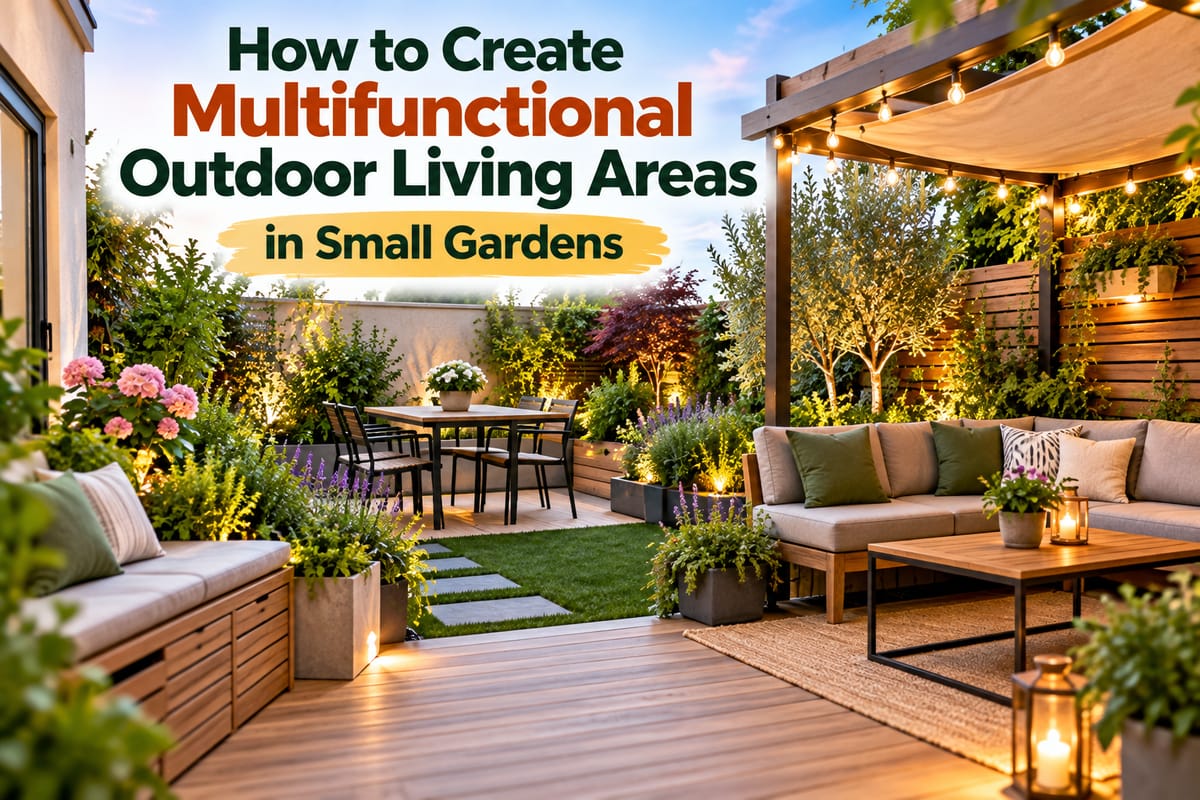
How to Create Multifunctional Outdoor Living Areas in Small Gardens
Small gardens can be surprisingly versatile. Even a compact outdoor space can provide somewhere to eat, relax, entertain, grow plants, work, exercise, or simply enjoy fresh air. The challenge is making those different uses work together without making the garden feel crowded.
Creating a multifunctional outdoor living area is less about adding more furniture and more about making every part of the garden work efficiently. A bench can provide seating and storage. A narrow table can serve as a dining surface, workspace, or place for potting plants. A carefully positioned shade structure can make a small patio comfortable during different parts of the day.
With thoughtful planning, even a modest garden can become a flexible extension of the home.
Start With the Garden’s Main Purpose
Before buying furniture or changing the layout, identify how the garden needs to function.
A small garden might need to accommodate several activities, such as:
- Outdoor dining
- Relaxing and reading
- Entertaining guests
- Gardening
- Working from home
- Children’s activities
- Exercise
- Storage
- Cooking or outdoor food preparation
Trying to give every activity its own dedicated zone can quickly overwhelm a small space. Instead, think about which activities can share the same area.
For example, a compact paved area could function as a dining space during meals, a social area when guests visit, and a quiet workspace during the day.
This approach creates flexibility without requiring separate spaces for every activity.
Plan the Layout Before Adding Furniture
The layout determines how easily people can move through a small garden.
A useful starting point is to consider the relationship between the house, garden entrance, seating areas, planting, storage, and any existing features.
The principles covered in Understanding Garden Design and Landscape Planning can help homeowners think about the garden as a complete environment rather than a collection of individual features.
Measure the available space before choosing furniture. Pay attention to:
- Garden width and length
- Door locations
- Paths and access points
- Existing walls and fences
- Steps
- Drainage
- Sun exposure
- Overhead structures
- Utility equipment
Even a few centimeters can matter in a compact outdoor area.
Think in Zones Rather Than Rooms
A multifunctional garden does not necessarily need physical walls separating every activity.
Instead, different zones can be suggested through changes in:
- Flooring
- Furniture arrangement
- Planting
- Lighting
- Rugs
- Screens
- Containers
- Levels
- Color and materials
For example, a small paved section could become the main social zone, while a narrow border containing plants could create a visual transition between seating and a gardening area.
This creates a sense of organization without sacrificing valuable floor space.
Choose Furniture That Can Perform Multiple Jobs
Multifunctional furniture is particularly useful in small gardens.
Instead of choosing one piece for every activity, look for furniture that can adapt.
Examples include:
- Storage benches that provide seating
- Folding tables that can be put away
- Stackable chairs
- Extendable dining tables
- Ottomans that double as tables
- Benches that can accommodate several people
- Folding loungers
- Movable stools
- Outdoor cabinets that provide storage and work surfaces
A storage bench can be especially valuable because it combines two functions in one footprint.
It might hold gardening tools, cushions, children’s outdoor equipment, or entertaining supplies while providing somewhere to sit.
Use Folding and Movable Furniture
Permanent furniture can consume valuable space even when it is not being used.
Folding furniture offers a way to change the garden according to the occasion.
A small table could remain folded against a wall when the garden is being used for exercise or play. When guests arrive, it could become a dining table.
Likewise, lightweight chairs can be moved between a dining area, sunny corner, and shaded seating area.
Mobility is one of the simplest ways to make a small outdoor space perform multiple functions.
Make the Vertical Space Work Harder
When floor space is limited, look upward.
Walls, fences, trellises, and other vertical surfaces can provide opportunities for storage, planting, screening, and decoration.
Vertical solutions might include:
- Wall-mounted planters
- Hanging baskets
- Vertical herb gardens
- Trellises
- Wall-mounted storage
- Hooks for gardening tools
- Folding tables attached to walls
- Climbing plants
Vertical gardening can add greenery without taking up the same amount of ground space as traditional planting beds.
However, vertical features should still leave adequate room for movement and maintenance.
Use Containers to Combine Gardening With Living Space
Container gardening is particularly useful when a small garden needs to support both plants and outdoor activities.
Containers can be positioned along edges, grouped into movable displays, or used to define different areas.
The Container Gardening: The Complete Beginner’s Guide offers a broader look at how plants can be grown successfully in containers.
Containers can also be moved when the garden needs to change.
For example, a group of planters might create a green boundary around a seating area. When more space is needed for entertaining, some containers can be rearranged.
Choose containers carefully, though. Too many large pots can quickly consume the limited floor area available in a small garden.
Create a Compact Dining Area
Outdoor dining does not require a large patio.
A narrow rectangular table can work well against a wall or along the edge of a garden. Folding tables can be particularly useful when dining is only an occasional activity.
Another option is a built-in bench along one side of the dining area.
This can reduce the amount of space needed for chairs while creating a more permanent seating solution.
If the garden is extremely narrow, a small café-style table and two chairs may provide enough room for everyday meals without dominating the space.
Build a Comfortable Seating Area
A multifunctional garden still needs somewhere comfortable to relax.
Instead of filling the garden with large lounge furniture, consider compact arrangements.
A bench positioned against a wall can provide seating without requiring a large footprint. Cushions can make it more comfortable, while a small side table can provide somewhere to place drinks, books, or phones.
Furniture with simple proportions can also help preserve visual space.
Large, bulky pieces can make a small garden feel even smaller, particularly when they block sightlines across the space.
Use Shade Without Losing Valuable Space
Shade can make an outdoor living area more comfortable, particularly where a garden receives strong sunlight.
The key is to choose a shade solution that fits the scale of the space.
Options can include:
- Retractable awnings
- Shade sails
- Pergolas
- Umbrellas
- Retractable canopies
- Lightweight temporary structures
The principles discussed in How Shade Structures Improve Outdoor Spaces can help when deciding how shade can be incorporated into an outdoor environment.
In a small garden, retractable or movable shade can be particularly useful because it allows the space to remain open when shade is not required.
Design Around the Sun
The position of the sun changes throughout the day, so a garden can feel like a different space at different times.
Observe where sunlight falls in the morning, afternoon, and evening.
A sunny section might work well for:
- Morning coffee
- Container plants
- Sun-loving herbs
- Reading
A shaded section may be more suitable for:
- Dining
- Relaxing
- Working
- Entertaining
Understanding these patterns can help determine where different functions should be located.
Create a Small Outdoor Workspace
A garden can provide a useful change of environment for people who work or study from home.
A dedicated office building may not be practical in a small garden, but a compact outdoor workspace can be created with a few carefully chosen elements.
A small weather-resistant table can serve as a laptop surface. A nearby bench can provide seating. Shade can make the space more comfortable during sunny periods.
The workspace should also be positioned close enough to the house for convenient access to electricity and connectivity where necessary.
A folding wall-mounted desk can be especially useful because it can disappear when the garden is being used for another purpose.
Combine Storage With Seating
Storage is one of the biggest challenges in a compact garden.
Outdoor equipment can quickly consume valuable space if every item requires its own storage container.
Combining storage with other functions can solve part of the problem.
A storage bench, for example, can hold:
- Garden cushions
- Small tools
- Children’s toys
- Outdoor games
- Gardening supplies
- Blankets
Vertical cabinets can also make use of wall space while keeping the floor relatively clear.
The goal is to keep frequently used items accessible without allowing storage to dominate the garden.
Use Boundaries Efficiently
Garden boundaries are often overlooked as usable space.
Fences and walls can potentially accommodate shelves, planters, hooks, lighting, trellises, or compact storage.
A boundary can also help create privacy.
For example, climbing plants on a trellis can provide greenery and screening while occupying relatively little ground space.
However, avoid covering every available surface with objects. Leaving some areas visually open helps prevent the garden from feeling enclosed.
Make Paths Do More Than One Job
Paths are necessary for movement, but they can sometimes be incorporated into the wider design.
A pathway can separate zones while also creating visual structure.
In a narrow garden, avoid creating a large path that divides the space unnecessarily. A path positioned toward one side can leave a larger continuous area available for seating, planting, or entertaining.
Curved paths can work in some gardens, while straight lines may make better use of very narrow spaces.
The most important consideration is that movement remains comfortable and accessible.
Use Lighting to Extend the Garden’s Functions
Outdoor lighting can change how a small garden is used after dark.
Different types of lighting can support different activities.
For example:
- Table lighting can support outdoor dining
- Wall lights can illuminate entrances
- Path lighting can improve visibility
- Accent lights can highlight plants
- String lights can create a social atmosphere
- Task lighting can help with outdoor work
Avoid excessive lighting in a small garden. A few strategically placed fixtures can often accomplish more than numerous bright lights.
Choose a Consistent Material Palette
Too many materials, colors, and patterns can make a compact garden feel visually busy.
Using a consistent palette can make the space appear more coordinated.
This does not mean everything needs to match exactly. Instead, choose a few complementary materials for major elements such as:
- Flooring
- Furniture
- Fencing
- Containers
- Walls
- Shade structures
A consistent visual language can make different functional zones feel like parts of the same garden.
Use Plants as Soft Dividers
Plants can separate areas without creating the hard visual boundaries associated with walls or fences.
For example, a row of tall containers could separate a dining space from a seating area.
Low planting can define an edge without blocking views, while taller plants can provide privacy.
Choose plants according to available sunlight, soil or container conditions, maintenance requirements, and the amount of space they will eventually occupy.
In a small garden, plant size at maturity matters just as much as appearance when making selections.
Keep the Center of the Garden Flexible
One useful strategy is to keep a portion of the garden open rather than filling every available area.
A flexible central space can accommodate different activities throughout the week.
It might serve as:
- A play area
- An exercise area
- A place for entertaining
- A temporary dining space
- A spot for gardening projects
Furniture can be moved toward the edges when the center is needed.
This creates a garden that adapts to changing needs rather than assigning every square meter to a permanent purpose.
Consider Built-In Features Carefully
Built-in seating, raised beds, storage, and counters can make excellent use of awkward spaces.
For example, an unused corner might accommodate an L-shaped bench that provides seating for several people.
A narrow raised bed could run along a boundary while leaving the central area open.
However, built-in features are less flexible than movable furniture.
Before installing anything permanent, consider how the garden might need to change in the future.
Make Outdoor Living Areas Comfortable
A multifunctional garden should be useful, but it should also feel inviting.
Comfort can come from relatively simple additions:
- Outdoor cushions
- Weather-resistant rugs
- Soft lighting
- Shade
- Greenery
- Comfortable seating
- Small tables
- Privacy screening
The key is moderation.
Adding too many accessories can reduce the space available for movement and make the garden harder to maintain.
Design for Easy Maintenance
A small garden can become difficult to manage if every feature requires regular maintenance.
Choose plants, furniture, surfaces, and structures that match the amount of time available for upkeep.
Consider:
- How often plants need watering
- Whether furniture needs to be stored
- How surfaces will be cleaned
- Whether containers need frequent attention
- How quickly plants will grow
- Where tools and equipment will be stored
A multifunctional garden should make everyday life easier, not create another demanding project.
Connect the Garden to the Home
The most successful small outdoor spaces often feel like a natural extension of the interior.
Think about how people move from the kitchen, living room, or other frequently used areas into the garden.
A dining area near the kitchen can make outdoor meals easier. A quiet seating area near a living room can create an additional relaxation space.
Matching or complementary materials can also visually connect indoor and outdoor areas.
Large windows and open doors can further strengthen the relationship between the home and garden.
Use Flexible Design as Needs Change
One of the biggest advantages of multifunctional outdoor living is adaptability.
The way a garden is used can change over time.
A family might initially need space for children’s play, later require more room for entertaining, and eventually prioritize gardening or quiet relaxation.
A flexible layout can accommodate these changes without requiring a complete redesign.
Movable furniture, containers, folding structures, and modular storage make it easier to adjust the space as circumstances change.
A Small Garden Can Do More With Less
Creating a multifunctional outdoor living area is ultimately about making thoughtful choices.
Instead of trying to squeeze every possible feature into a small garden, focus on the activities that matter most and look for ways to combine them.
A single seating area can support dining, relaxing, reading, and entertaining. Containers can provide greenery while defining zones. Storage can double as seating. A folding table can become a dining surface or workspace when needed. Shade can make the same area comfortable during different parts of the day.
The broader principles behind How to Design Functional Outdoor Living Spaces Around a Garden can help bring these ideas together into a cohesive outdoor environment.
With careful planning, smart furniture choices, vertical use of space, flexible planting, and attention to movement, even a small garden can become a comfortable outdoor area with several useful purposes.