Hurricane Polo Threatens Flooding and Property Damage Along Mexico’s Pacific Coast
Hurricane Polo Threatens Flooding and Property Damage Along Mexico’s Pacific Coast
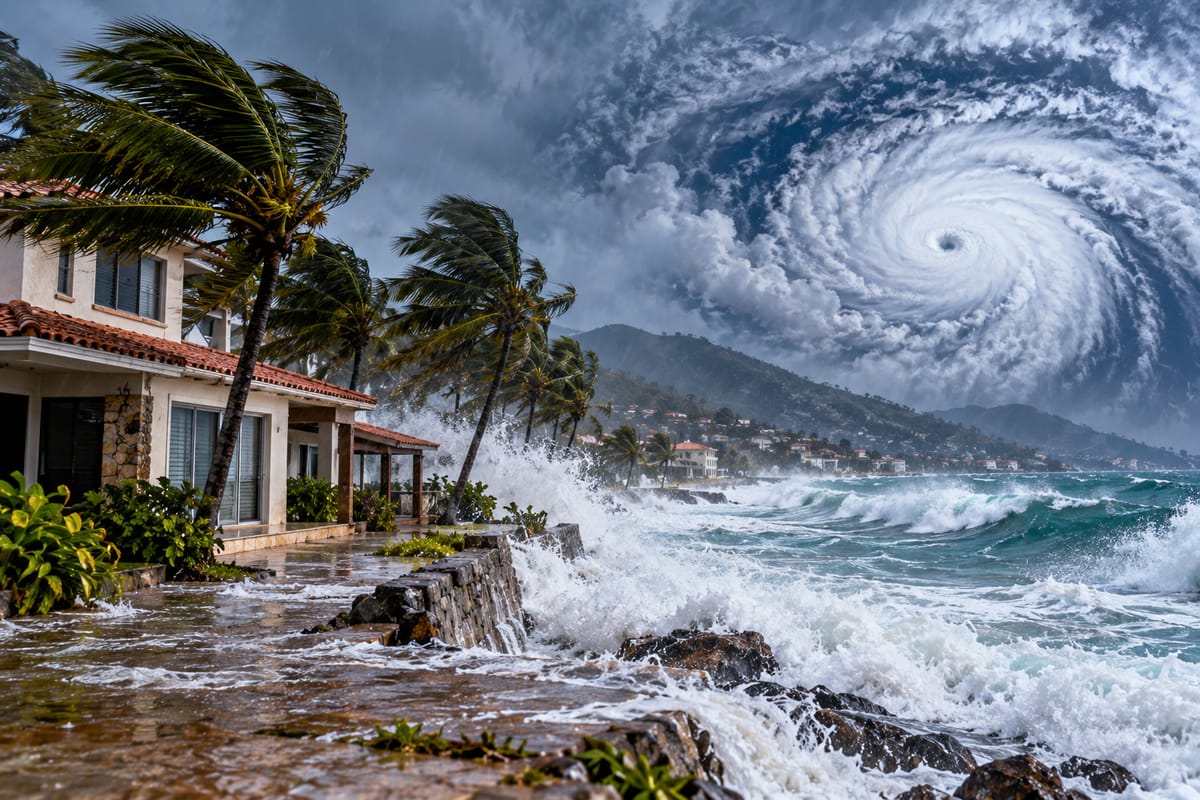
Hurricane Polo is bringing a serious combination of heavy rain, powerful winds, dangerous surf and flooding concerns to Mexico’s Pacific coast as the extremely powerful storm moves northwest offshore.
As of Thursday, September 24, Polo remained a Category 5 hurricane, with maximum sustained winds of about 160 mph and a central pressure of 923 millibars, according to the U.S. National Hurricane Center. The hurricane’s core was offshore, but outer rainbands were already spreading across southwestern Mexico and producing heavy rainfall along the coast.
For homeowners, the immediate concern is not limited to wind damage. Rainfall, overflowing drainage systems, saturated ground, rising water and prolonged exposure to strong weather can create some of the most expensive residential problems during a major tropical cyclone.
Why Hurricane Polo Creates a Flooding Risk
Polo does not have to make a direct landfall to cause serious problems for coastal communities.
The National Hurricane Center reported that the hurricane’s outer rainbands were reaching southwestern Mexico while the storm remained roughly 150 miles west-southwest of Zihuatanejo early Thursday. A tropical storm warning covered the stretch from Tecpan de Galeana to Manzanillo.
Heavy rainfall can overwhelm drainage channels, streets and low-lying areas, particularly when water arrives faster than it can flow away.
The threat can become more complicated when heavy rain combines with elevated surf. Coastal communities may face water entering properties from multiple directions, while homes located near rivers, streams or poorly drained streets can experience rapidly rising water.
The National Hurricane Center warned that heavy rainfall could produce life-threatening flooding and mudslides, particularly in areas of steep terrain.
How Floodwater Can Damage a Home
Flooding can affect far more than a home’s floors and furniture.
Water that enters a property can damage drywall, insulation, flooring, cabinetry and electrical components. Persistent moisture can also remain inside wall cavities and other concealed spaces long after visible floodwater disappears.
Some damage may be obvious immediately. Other problems can emerge days or weeks later as trapped moisture contributes to mold growth, wood deterioration, corrosion and unpleasant indoor conditions.
This is why homeowners dealing with storm damage may need to think beyond cleaning up visible water. A broader understanding of residential problems can help when assessing what needs attention after severe weather. A useful resource is this Home Repairs Guide: Common Problems and Solutions.
Drainage Systems Become Critical During Major Storms
A home’s drainage system is one of the first lines of defense against heavy rainfall.
Gutters, downspouts, grading, drainage channels and other systems are designed to move water away from the structure. When they are blocked, damaged or overwhelmed, water can accumulate around foundations and other vulnerable parts of the property.
During an extreme rainfall event, even a properly maintained drainage system may eventually reach its limits. However, poor drainage can make the situation worse by allowing water to remain close to walls and foundations for longer periods.
Understanding How Drainage Systems Protect Homes can help homeowners recognize why water management is such an important part of residential maintenance.
Exterior Walls Face More Than Wind
Strong tropical systems can expose a home’s exterior to several stresses at the same time.
Wind can push rain against siding, windows, doors and other exterior openings. Damaged seals or deteriorated materials may allow water to penetrate areas that normally remain dry.
The building envelope plays an important role because it separates the indoor environment from outside weather. Roofs, exterior walls, windows, doors, flashing and other components work together to resist water and wind intrusion.
The importance of these systems becomes particularly clear during hurricanes. Homeowners can learn more about How Home Exterior Walls and Building Envelopes Protect Against Weather.
Roofs and Gutters Can Become Vulnerable
Roofing systems are another major concern during hurricanes.
High winds can loosen roofing materials, damage flashing and place additional stress on vulnerable sections of a roof. Heavy rain can then exploit even relatively small openings.
Gutters can also become overloaded with water and debris. If downspouts cannot carry water away efficiently, runoff may accumulate near exterior walls or the foundation.
Branches, leaves and other debris can make drainage problems worse during and after the storm.
For homeowners in areas exposed to tropical weather, routine inspections before storm season can identify problems before extreme conditions arrive.
Flooding Can Cause Problems Even Without Major Structural Damage
Not every storm-damaged home suffers catastrophic structural failure.
A property can remain standing while still experiencing substantial repair needs. Flooded flooring, damaged drywall, wet insulation, broken windows, damaged doors and compromised electrical equipment can all create significant costs.
Moisture can also create secondary problems.
If wet materials are not properly dried, hidden moisture may remain behind walls or beneath flooring. That can increase the likelihood of mold and material deterioration.
This makes post-storm inspection particularly important. Homeowners should not assume that a property is unaffected simply because major structural damage is not immediately visible.
Why Routine Maintenance Matters Before Severe Weather
Hurricanes often reveal weaknesses that may have developed gradually.
A loose gutter, cracked exterior seal, damaged roof component or blocked drainage path may appear relatively minor during normal weather. Under extreme rainfall and wind, however, those weaknesses can become points of water entry or sources of additional damage.
Regular upkeep can therefore play a role in reducing avoidable vulnerabilities.
A practical starting point is reviewing common seasonal tasks through Home Maintenance Projects, particularly those involving roofs, drainage, exterior surfaces and other weather-exposed components.
Maintenance cannot eliminate the risks associated with a major hurricane, but it can help homeowners identify problems before they are tested by extreme conditions.
Coastal Properties Face Additional Exposure
Homes near the Pacific coast can experience several hazards simultaneously during a major hurricane.
Heavy rain can cause inland flooding, while rough surf and large waves can affect coastal areas. Strong winds can damage exterior components, and saturated soil can increase the potential for erosion or slope instability in vulnerable locations.
The National Hurricane Center reported peak seas of roughly 41 feet in the waters associated with Polo early Thursday, illustrating the intensity of conditions surrounding the hurricane.
Even when a hurricane’s center remains offshore, these surrounding conditions can affect communities along the coast.
What Homeowners Should Watch After the Storm
Once severe conditions have passed, property owners may need to look for both visible and less obvious problems.
Important warning signs can include:
- Water entering through roofs, windows or doors
- Standing water around foundations
- Cracked or displaced exterior materials
- Damaged gutters and downspouts
- Wet drywall or insulation
- Buckled floors or damaged flooring
- Electrical components exposed to water
- Persistent dampness or unusual odors
- Mud or debris entering the property
- New cracks around doors, windows or structural areas
Safety should come before cleanup. Floodwater can contain contaminants, and damaged electrical systems can create serious hazards.
Homeowners should also be cautious about entering buildings that may have structural damage.
The Importance of Keeping Water Away From the Foundation
One of the most important residential lessons from major rainfall events is the importance of directing water away from the structure.
Water that repeatedly collects around a foundation can contribute to moisture intrusion and, depending on the property and conditions, may create additional structural or material problems.
Proper grading, functioning gutters, suitable downspouts and well-maintained drainage features can all contribute to better water management.
During an extreme storm, these systems may still be overwhelmed. Their purpose is not to make a home immune to flooding but to provide an organized route for ordinary and heavy rainfall to move away from vulnerable areas.
Polo’s Path Keeps the Flooding Threat in Focus
Polo was forecast to continue moving northwest while remaining offshore, with the storm expected to move farther into the Pacific over the following days. The National Hurricane Center nevertheless continued to warn about heavy rainfall and dangerous conditions affecting southwestern Mexico.
That distinction matters for homeowners.
A hurricane does not need to cross directly over a neighborhood for its rainbands, winds, surf and associated flooding to create property risks. Local geography, drainage capacity, elevation and the condition of individual homes can all influence how much damage occurs.
For residents in affected areas, official emergency instructions remain more important than assumptions based solely on the storm’s projected center.
Severe Weather Highlights the Value of Home Resilience
Hurricane Polo is another reminder that residential protection involves more than a single component such as a roof or foundation.
A home’s ability to withstand severe weather depends on multiple systems working together. Drainage must move water away from the structure. Exterior walls and openings must resist weather intrusion. Roofs must withstand wind and rain. Gutters and downspouts must handle runoff. Maintenance must identify deteriorating components before they become larger problems.
Extreme storms can exceed what any home is designed to handle, but understanding these vulnerabilities can help homeowners prepare, respond and identify damage more effectively.
As Polo continues moving away from Mexico’s Pacific coast, flooding and storm-related property damage remain important concerns for communities exposed to its outer bands. The immediate priority is safety, while the next phase will involve assessing homes, removing water and debris safely, and determining which repairs are necessary once conditions allow.